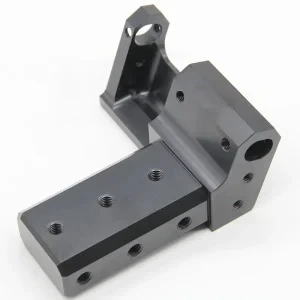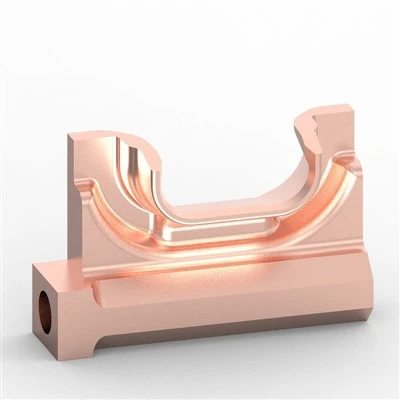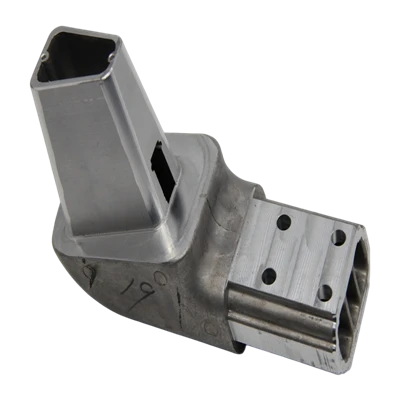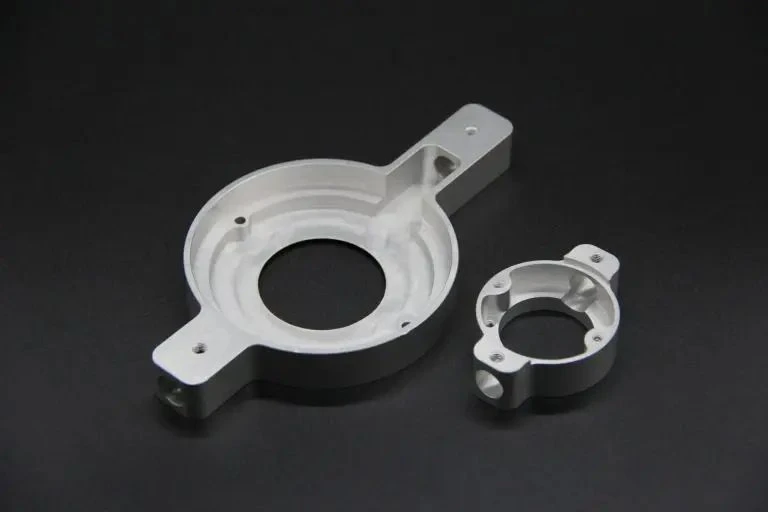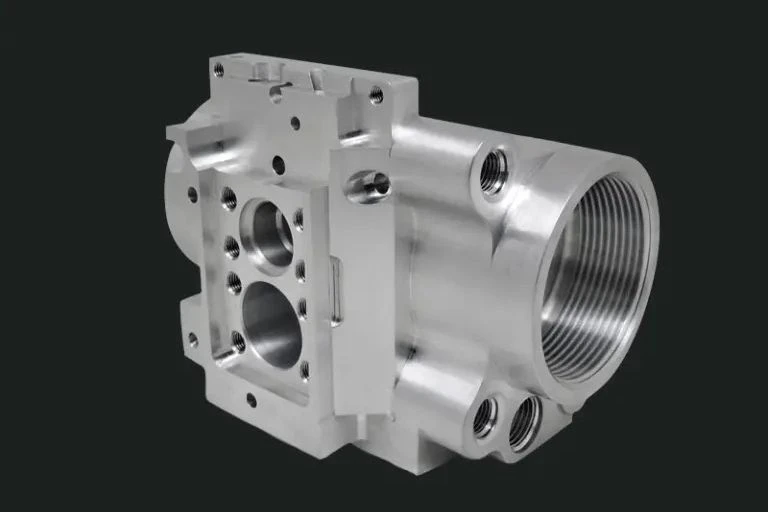
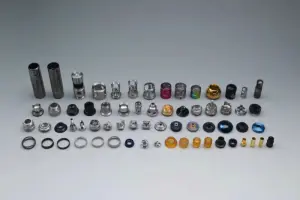

A batch of connectors fails incoming inspection. Contact resistance sits outside the specification window, or early field returns show corrosion at the terminal interface. In many of these cases the drawing itself is not the problem-the material choice made months earlier is. Aluminum terminals that looked attractive for weight and cost can deliver inconsistent plating adhesion or higher contact resistance variation once real environmental exposure begins. Stainless steel offers strength and corrosion resistance but simply lacks the electrical performance required for most current-carrying contacts. This is the practical situation that repeatedly leads engineers toward brass CNC milling parts for precision connectors and terminals.
Why the Material Decision Matters More Than the Spec Sheet Suggests
Brass sits in a useful middle ground that pure conductivity numbers do not fully capture. Free-cutting grades such as C36000 typically deliver electrical conductivity in the 26–28 % IACS range. That figure is lower than many aluminum alloys and far below pure copper, yet it is sufficient for the majority of signal and moderate-power connector applications. What actually drives the selection of brass CNC milling parts is the combination of machinability, contact geometry control, plating compatibility, and stable spring behavior under repeated mating cycles.
C36000 remains the workhorse for most precision brass CNC machining parts used in terminals, pins, and connector bodies. It produces short chips, tolerates high cutting speeds, and yields clean surfaces with relatively modest tool wear. This directly supports tighter control of small features and fine threads-details that heavily influence insertion force and contact reliability. Aluminum also machines well, but it is more prone to built-up edge and can require extra attention when surface finish on contact areas is critical. Stainless steel, while durable, is far slower to machine and offers conductivity around only 2–3 % IACS, making it unsuitable for most electrical interfaces.
Corrosion and plating behavior further separate the options. Brass forms a stable oxide and accepts nickel, tin, or silver plating cleanly-finishes routinely specified for electrical contacts. Aluminum often needs anodizing or other coatings that can interfere with conductive interfaces unless carefully managed. In many indoor and industrial environments, properly finished brass CNC milling parts maintain stable performance without the coating complications that aluminum sometimes introduces.
There are clear limits. When extreme light weight is non-negotiable, or when the part functions purely as a structural housing with separate contact elements, aluminum frequently remains the better choice. High-current busbar or primary power-distribution applications still favor copper or specialized high-conductivity alloys. Brass is not a universal solution; it is the practical solution when contact reliability, thread quality, and high-volume manufacturability must be balanced together.

A Real-World Switch from Aluminum to C36000
One customer produced a multi-pin connector family with aluminum housings and terminals. Initial samples met dimensional requirements, yet production batches showed elevated scrap from contact-resistance variation and occasional plating issues after environmental testing. After reviewing the application, the critical contact and terminal components were switched to C36000 while aluminum was retained only where weight savings still justified it.
The improvement did not come from conductivity alone. The free-machining behavior of C36000 allowed more consistent control of small contact features and thread forms. Plating adhesion improved, and geometry variation at the mating interface dropped. Over subsequent runs the customer recorded a clear reduction in electrical-related rejects. The change was not frictionless-weight was re-checked and a few non-critical features stayed in aluminum-but the net result on yield and field performance was positive. This kind of targeted material shift is common when brass CNC milling parts are evaluated against real production data rather than catalog properties.
Tolerance Control and Assembly Consistency
Even the correct alloy fails if geometry drifts. Multi-pin connectors amplify small deviations in pin position, housing bore, or thread form into measurable differences in insertion force, contact resistance, and sealing performance.
On brass CNC milling parts we typically hold critical features between ±0.01 mm and ±0.05 mm, applying tighter limits where the design demands it. Five-axis machining and single-setup strategies reduce the stack-up that appears when features are produced across multiple operations. In-process sampling and final CMM verification, supported by first-article documentation, keep process capability visible throughout the run. Threaded features are checked with calibrated gauges and, when required, optical inspection of form. Consistent geometry is what allows the inherent advantages of brass to show up as repeatable assembly and electrical results rather than batch-to-batch variation.
Industry Pattern
Across electronics and industrial interconnect work, brass continues to appear in terminals, contacts, cable glands, and precision-milled connector components for the same practical reasons: adequate conductivity, excellent machinability, reliable plating performance, and dimensional stability under production conditions. While specific market reports vary by sector, the engineering pattern remains consistent-when contact integrity and high-volume precision matter together, brass CNC milling parts stay a frequent specification.
FAQ
Q: Is brass better than aluminum for connector housings?
A: It depends on priorities. Aluminum wins on weight and often on raw material cost. Brass generally offers better plating compatibility for electrical contacts, more predictable free-machining behavior on fine features, and stable performance in many environments without specialized coatings. For pure structural housings where electrical interfaces are handled by separate contacts, aluminum can be preferable. For integrated terminals or contact-critical parts, precision brass CNC machining parts are frequently the more reliable route.
Q: Does the lower conductivity of brass limit high-current use?
A: For most signal and moderate-power connectors the conductivity of common free-cutting brasses is sufficient. Contact area, normal force, surface finish, and plating usually influence performance more than bulk conductivity alone. Primary power-distribution or high-current busbar applications still favor copper or higher-conductivity alloys.
Q: What grade is most common for precision CNC milled connectors?
A: C36000 free-cutting brass is the default for the majority of CNC-machined terminals, pins, and connector components because of its machinability and adequate conductivity. Other grades are selected when higher ductility, specific spring properties, or enhanced corrosion resistance are required.
Q: Can these parts be plated for improved corrosion or contact performance?
A: Yes. Nickel, tin, and silver plating are routinely applied. Proper surface preparation after machining is essential for adhesion and long-term stability. The plating choice is driven by the electrical and environmental demands of the application.
As a brass CNC milling parts manufacturer, we regularly support customers from material selection and design-for-manufacturability review through prototype validation and production supply of precision brass CNC machining parts. If inconsistent electrical performance or elevated scrap is tracing back to material or geometry choices, a focused review of alloy, tolerances, and finishing process often surfaces practical improvements before the next production release.