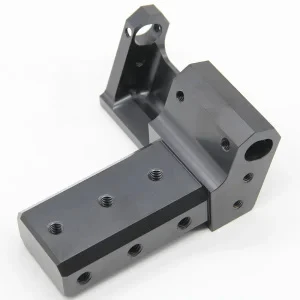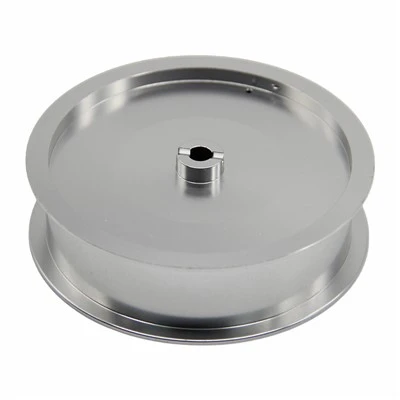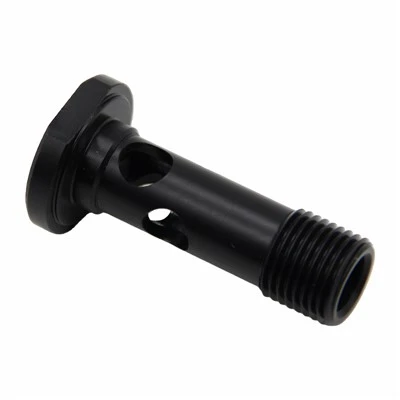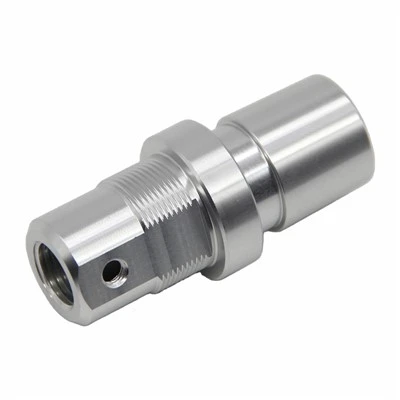


Automotive CNC Milling Parts We Manufacture
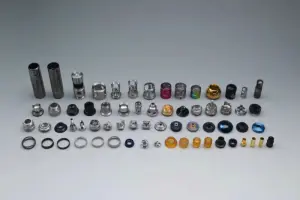
We produce milled components across major vehicle systems. Typical parts include:
|
System / Application |
Example Parts |
Common Materials |
Typical Process |
|
Powertrain |
Housings, brackets, covers, adapters |
Aluminum 6061/7075, steel |
3-/4-/5-axis milling, boring |
|
Transmission & Driveline |
Shift forks, mounting plates, carriers |
Steel 4140, aluminum, stainless |
Multi-axis milling, slotting |
|
Braking |
Caliper brackets, mounting plates |
Steel, aluminum |
Precision milling, drilling |
|
Chassis & Suspension |
Control-arm links, brackets, mounts |
Aluminum, steel, titanium |
5-axis contouring, pocketing |
|
New Energy (EV/Hybrid) |
Battery cooling plates, motor housings |
Aluminum alloys |
Thin-wall milling, face milling |
|
Exterior & Interior Metal |
Structural brackets, decorative plates |
Aluminum, stainless |
Milling + surface finishing |
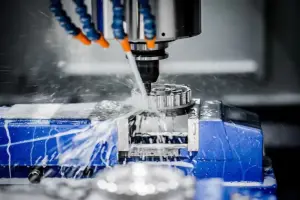
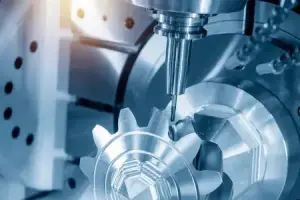
Each part is programmed from customer drawings or solid models. Complex geometries, internal features and multi-face machining are handled on multi-axis equipment. Production photos of representative parts can be shared under NDA.
Materials for Automotive CNC Milled Parts
Material selection balances weight, strength, thermal performance and cost.
Aluminum alloys (6061-T6, 7075-T6, A380 and similar) – Primary choice for lightweight structural and thermal parts. Good machinability, high strength-to-weight ratio and excellent thermal conductivity make them ideal for brackets, housings and cooling plates.
Steels (1045, 4140 and equivalents) – Used where higher strength or wear resistance is required. 4140 offers good toughness after heat treatment.
Stainless steels (304, 316) – Selected for corrosion resistance in under-body or fluid-contact applications.
Titanium (Ti-6Al-4V / TC4) – Applied when maximum strength-to-weight and corrosion resistance are needed, typically in performance or specialized programs.
Copper, brass and engineering plastics (PEEK, POM) – Used for electrical, thermal or low-friction components.
We machine all of the above materials for automotive CNC milling parts and can advise on grade selection based on mechanical loads, temperature and corrosion requirements. Material certificates (mill certs) are provided with shipments when requested.
Precision & Tolerances
|
Capability |
Typical Range |
|
Standard tolerance |
±0.05 mm |
|
High-precision features |
±0.01 mm (when process supports it) |
|
Surface roughness |
Ra 0.8–3.2 µm (finer on request) |
|
Geometric tolerances |
Flatness, position, perpendicularity, etc. per drawing |
|
Inspection |
CMM, dimensional reports, FAI, PPAP packages |
Equipment includes 3-axis, 4-axis and 5-axis CNC milling centers. Most automotive component sizes fit within standard work envelopes; larger or special fixtures can be discussed for specific projects.
In production we run in-process checks and final dimensional inspection. First-article inspection (FAI) and full PPAP documentation are prepared when the customer requires them. Material traceability is maintained from incoming stock through finished parts.
Surface Treatment & Appearance Requirements
Common finishes for automotive CNC milled parts include:
Anodizing (clear, black, colored) for aluminum
Sand blasting / bead blasting for uniform matte appearance
Electrophoretic coating (E-coat)
Zinc plating, nickel plating
Black oxide / blackening
Passivation for stainless steel
Polishing for specific cosmetic or sealing surfaces
Parts are deburred and inspected for burrs, tool marks and surface defects according to customer appearance standards. Salt-spray or other corrosion testing can be arranged to the specification on the drawing or purchase order.
Why Choose Us as Your Automotive CNC Milling Parts Factory
We operate as a dedicated machining factory focused on precision milled components for automotive and related industrial applications. Our process covers programming, multi-axis milling, in-process inspection, surface-treatment coordination and final documentation. Engineers review drawings for manufacturability and suggest practical improvements when they reduce risk or cost without changing function.
Quality systems support automotive documentation requirements, including material certificates, dimensional reports, FAI and PPAP packages. Factory processes and inspection records are available for customer audit. Workshop photos, current equipment lists, sample inspection reports and valid certificate details can be shared under NDA.
FAQ
Q: What tolerances can you hold on automotive CNC milling parts?
A: Standard features are typically held to ±0.05 mm. Critical dimensions can be controlled to ±0.01 mm when the process and inspection method support it. Geometric tolerances follow the drawing.
Q: What is your MOQ for custom automotive CNC milled parts? Do you accept low volume?
A: We accept prototype and low-volume orders as well as ongoing production. There is no rigid high minimum; each project is quoted on its own requirements.
Q: Which materials do you recommend for lightweight automotive components?
A: Aluminum 6061 and 7075 are the most common choices for structural and thermal parts that need high strength-to-weight ratio. Titanium is used when further weight reduction and corrosion resistance are required.
Q: Do you provide PPAP/FAI reports and material certificates?
A: Yes. First-article inspection reports, dimensional reports, material certificates and PPAP documentation packages are prepared when specified on the purchase order or drawing.
Q: How long is the lead time from prototype to bulk order?
A: Prototype lead times are normally measured in days to a couple of weeks depending on complexity and material availability. Production lead times are confirmed with each quotation and depend on quantity, finishing and current capacity.
Q: Can you work from my drawings under NDA?
A: Yes. We routinely work under non-disclosure agreements. Drawings and models (STEP, DWG, PDF) can be transferred securely once the NDA is in place.
Hot Tags: automotive cnc milling parts, China automotive cnc milling parts manufacturers, suppliers, factory, cnc precision, cnc turning lathe, cnc turning process, precision cnc parts, precision of cnc machines, Stainless Steel Turned Parts