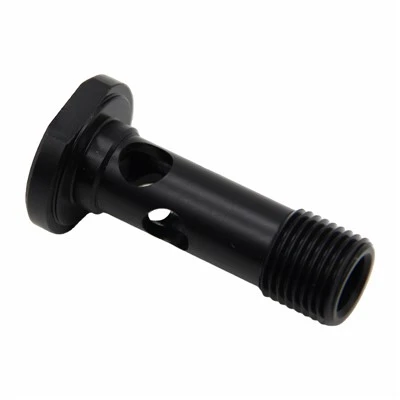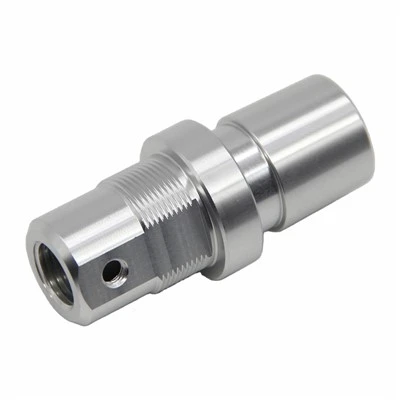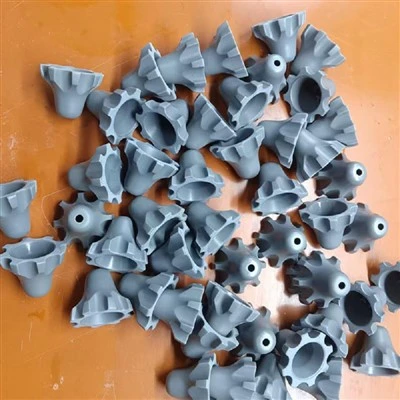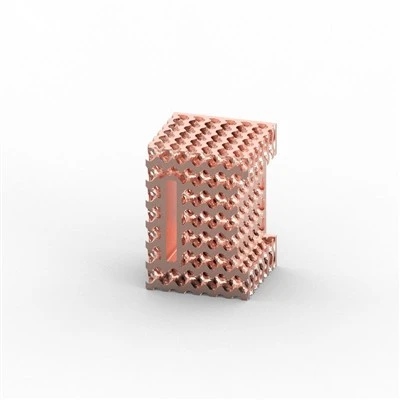

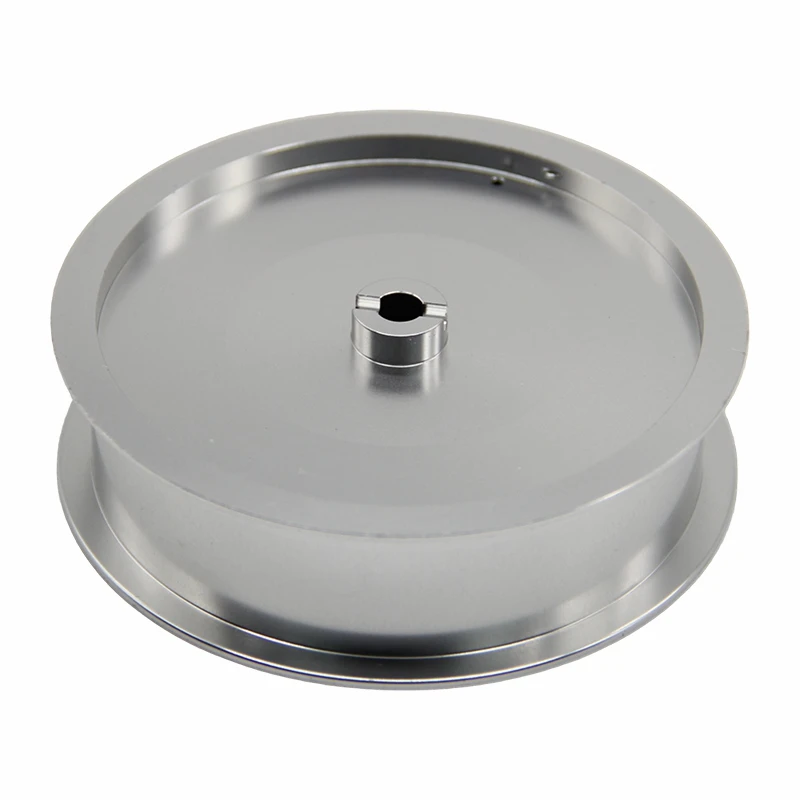
Machining Challenges of Stainless Steel
Stainless steel turning presents unique difficulties compared to carbon steel, primarily due to three major issues: rapid work hardening (especially in austenitic grades), poor thermal conductivity, and accelerated tool wear.
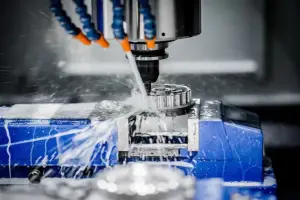
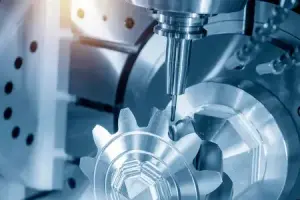
In our workshop, we address these challenges daily with specialized strategies. For austenitic stainless turning, we use high-performance coated carbide tools with optimized geometries to cut through the hardened layer efficiently. We carefully control cutting parameters - lower speeds, higher feeds, and ample coolant - to minimize heat buildup and prevent built-up edge. Rigid workholding and stable clamping further reduce vibration.
Thanks to these techniques, we have extended tool life by over 40% on 316 stainless steel turned parts while maintaining consistent surface quality and dimensional accuracy. This hands-on experience allows us to deliver reliable SS turned parts even for the most demanding applications.
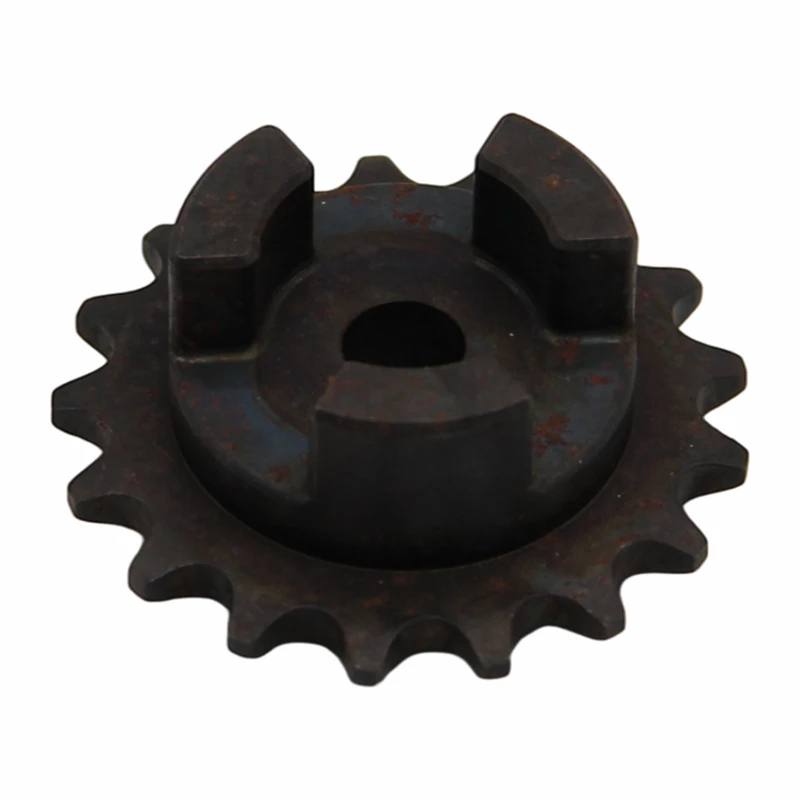
Precision & Dimensional Stability
Achieving consistent precision in precision SS machined parts requires careful management of stainless steel's thermal properties. Austenitic grades have a relatively high coefficient of thermal expansion (approximately 17.3 µm/m·K for 304), which can cause dimensional variation during machining if heat is not controlled.
Our team mitigates this through optimized coolant systems, balanced cutting strategies, and real-time monitoring. We routinely hold linear tolerances from ±0.003mm to ±0.01mm, with excellent geometric control on cylindricity, concentricity, and perpendicularity.
Batch consistency is ensured with a process capability index Cpk ≥ 1.67, verified through full CMM (Coordinate Measuring Machine) inspection. This level of control guarantees that every stainless steel turned parts in a production run stays well within specification, giving our customers confidence in fit and function for critical assemblies.

Stainless Steel Grades We Machine
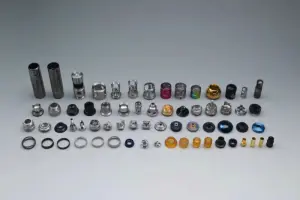
We expertly machine a wide range of stainless steel grades to produce SS machined components optimized for machinability, corrosion resistance, and mechanical performance.
Below is a detailed overview:
|
Grade |
Key Chemical Highlights |
Machinability Rating |
Typical Applications |
Recommended For |
|
303 |
17-19% Cr, 8-10% Ni, added Sulfur |
Excellent (75%) |
Screws, bolts, bushings, fittings, shafts |
High-volume precision turning |
|
304 / 304L |
18-20% Cr, 8-10.5% Ni, low Carbon (L) |
Good (43%) |
Food equipment, general hardware, architectural |
General corrosion resistance |
|
316 / 316L |
16-18% Cr, 10-14% Ni, 2-3% Mo |
Moderate (40%) |
Medical devices, marine parts, chemical valves |
Superior pitting resistance |
|
17-4PH |
15-17.5% Cr, 3-5% Ni, 3-5% Cu |
Good (annealed) |
Aerospace components, high-strength fittings |
Precipitation hardening strength |
|
440C |
16-18% Cr, 0.95-1.2% C |
Fair (35%) |
Cutting tools, bearings, surgical instruments |
High hardness & wear resistance |
Each grade is selected based on your functional needs. For example, 303 stainless steel components excel in high-speed machining, while 316 stainless steel turned parts are ideal where enhanced corrosion resistance is critical.
Corrosion Resistance & Surface Treatments
Stainless steel's natural corrosion resistance comes from its chromium content (minimum 10.5%), which forms a thin, self-healing Cr₂O₃ passive film on the surface. However, CNC machining can disrupt this layer through heat and contamination.
To restore and enhance protection, we apply passivation treatment per ASTM A967 standards using nitric or citric acid processes. This removes free iron and promotes a uniform, dense passive film.
For even better performance, we offer electropolishing, which reduces surface roughness (down to Ra 0.2–0.4μm) and significantly improves the pitting resistance equivalent number (PREN). Lower Ra values directly correlate with slower corrosion rates in aggressive environments.
These treatments make our corrosion resistant machined parts suitable for:
Food & beverage processing (304/316)
Medical and pharmaceutical equipment (316L)
Marine and offshore applications (316 with enhanced passivation)
Our real-world experience confirms that properly passivated stainless steel turned parts deliver long-term durability even in chloride-rich or humid conditions.
FAQ
Hot Tags: stainless steel turned parts, China stainless steel turned parts manufacturers, suppliers, factory