


Aerospace CNC Milling Capabilities
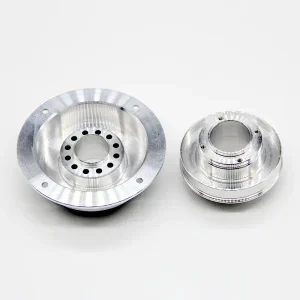
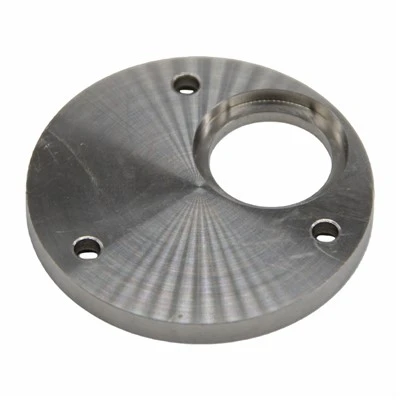
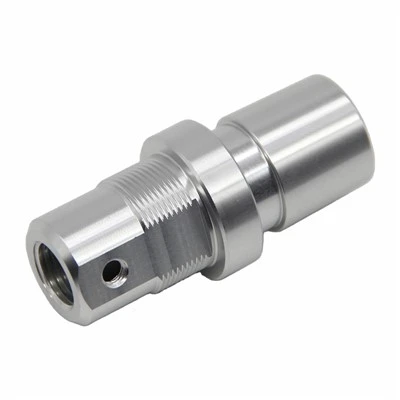
Aerospace parts often combine thin walls, deep pockets, contoured surfaces, and tight positional relationships between features. We support that work with 3-axis, 4-axis, and 5-axis CNC milling.
|
Area |
Scope |
|
Processes |
3-axis, 4-axis, and 5-axis CNC milling |
|
Geometry focus |
Prismatic parts, contoured surfaces, thin-wall structures, deep cavities |
|
Materials |
Aluminum, titanium, stainless steel, nickel alloys, selected plastics |
|
Volume |
Single prototypes through low- and medium-volume production |
|
Secondary work |
Deburring; finishing via in-house steps or approved partners; inspection |
5-axis aerospace machining is used when multiple faces or contoured surfaces would otherwise need many setups. 3-axis remains the practical choice for many prismatic features. Process selection follows the part geometry.
Materials We Machine for Aerospace Work
Aluminum
Structural brackets, housings, and airframe details often use these grades. 7075 is selected for higher strength, 2024 where fatigue performance matters, and 6061 when a balance of strength and machinability is enough. Thin-wall sections need stable fixturing to limit distortion.
Titanium
Titanium CNC milling is common where strength-to-weight and corrosion resistance matter. The alloy generates heat and can work-harden, so speeds, tooling, and chip control are set conservatively. Cycle times run longer than aluminum; that affects both cost and schedule.
Nickel alloys
High-temperature and high-stress areas use these alloys. They are abrasive and slow to cut. Tooling strategy and realistic cycle-time expectations are set at the quote stage.
Stainless steels
Structural and corrosion-resistant roles often call for stainless. 17-4 PH can be heat-treated after machining when the process sequence allows.
Engineering plastics
Specific non-metallic needs - chemical resistance, weight, or electrical properties - are handled with parameters that differ from metal cutting and that control heat and surface quality.
Material grade and condition (for example AMS or ASTM callouts, temper such as 7075-T651) follow the drawing and purchase order. Material certificates are provided with the lot.
Tolerances & Surface Finish for Aerospace CNC Milling
|
Level |
Typical use |
|
Standard precision |
General features under normal CNC process control (reference ranges such as ISO 2768 medium where applicable) |
|
Tight tolerance |
Critical size and geometric features; often ±0.01–0.025 mm depending on feature size, geometry, and material |
|
Selected critical features |
Tighter values on specific datums or mating faces when fixturing and inspection support it |
Geometric tolerances (position, profile, flatness, perpendicularity) are read from the drawing and verified on CMM when required. Surface roughness is held to the drawing. Common precision faces fall in ranges such as Ra 0.8–1.6 µm (approximately 32–63 µin), with smoother values on sealing or closely mating faces when the drawing requires and measurement is practical.
Quality Control for Aerospace CNC Milling
Aerospace work needs traceable materials and records, plus clear inspection reports.
Quality management system based on ISO 9001. AS9100 certification status and scope are confirmed against the current certificate when a program requires it; documentation practices support FAI and lot control as ordered
First-article inspection (FAI) to AS9102 when the order requires it
CMM inspection for critical dimensions and geometric tolerances
Material certificates and lot traceability
Surface-roughness measurement on specified faces
Special processes such as anodizing (Type II / Type III), chemical conversion coating, or passivation are completed in-house or through approved partners according to the requirement. Report format and content are agreed at RFQ so the package matches the order.
From RFQ to Delivery
RFQ and file review - drawings, models, material, quantity, FAI or special-process needs
DFM notes - tolerance feasibility, setup approach, material risks, finishing
Quotation - process plan, lead time, commercial terms; NDA available before detailed review
First article - machining, inspection, and FAI package when required
Production - process locked after approval for consistent lots
Final inspection and ship - agreed reports completed; parts packed and labeled for protection and lot identification
Aluminum prototypes often move faster. Titanium, nickel alloys, and full FAI packages need more time. The quotation states a schedule for the actual scope.
Project Snapshot
On a multi-face structural bracket in high-strength aluminum, early samples from a previous process showed positional drift between mounting faces after repeated setups. The job was re-planned so critical relationships were completed in fewer setups, with CMM checks against the datum scheme. Later lots held the positional requirements and cut rework tied to those features. Setup reduction and measured verification drove the improvement.
FAQ
Q: What tolerances can you hold on aerospace CNC milling parts?
A: Standard precision features follow normal CNC practice. Critical features are often in the ±0.01–0.025 mm range depending on size, geometry, and material. Tighter values are evaluated per feature during DFM.
Q: What is the minimum order quantity for aerospace CNC milling?
A: Single-piece prototypes are accepted. Production quantities are quoted per job. There is no fixed high MOQ for standard milling work.
Q: How long does aerospace CNC milling usually take?
A: Many aluminum prototypes ship in about 1–3 weeks after approval. Titanium, nickel alloys, or jobs with full FAI and extensive inspection often need 3–6 weeks or more. The quotation gives the schedule for the specific scope.
Q: How do you limit distortion on thin-wall parts?
A: Stable fixturing, controlled cutting forces, appropriate stock allowance, and stress-aware sequencing. DFM flags high-risk thin sections before machining starts.
Q: Why do titanium parts take longer?
A: Lower material-removal rates, higher tool wear, and stricter heat and chip control increase cycle time compared with aluminum.
Q: How do you handle drawings and regulated programs?
A: Drawings are treated as confidential; NDA is available before detailed review. International shipment and standard export documentation are supported. If a program involves export-control or similar regulatory constraints, those requirements must be identified at RFQ so we can confirm whether the scope can be accepted under applicable rules.
Hot Tags: aerospace cnc milling services, China aerospace cnc milling services manufacturers, suppliers, factory