

What We Control on Every Part
|
Item |
Typical capability |
|
Critical dimensions |
±0.005 mm on suitable features |
|
Surface roughness |
Ra controlled to drawing; measured and reported |
|
Materials |
Aluminum 6061 and other Al alloys, 316L stainless, selected plastics (PEEK, PTFE) |
|
Finishing |
Anodizing, passivation, electropolishing when specified |
|
Inspection |
CMM, surface roughness measurement, first-article reports |
|
Cleanliness & packaging |
Process-matched cleaning and protective packaging |
We focus on five practical outcomes:
Dimensional stability on locating and sealing features.
Measured surface roughness rather than "as-machined" defaults.
Machining and handling practices that limit particle generation.
Full material traceability with certificates.
Lot-to-lot consistency once the process is qualified.
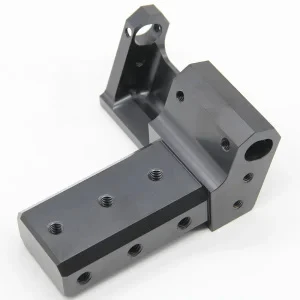
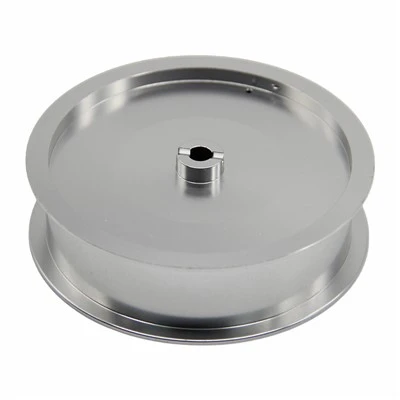
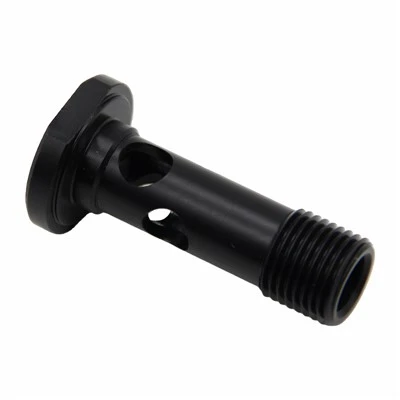
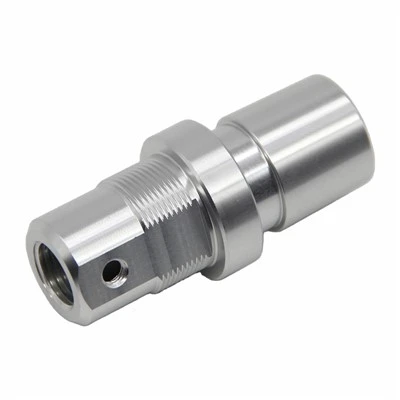
These controls matter for high precision CNC milling for semiconductor equipment, where the part must perform inside the tool, not just pass a single inspection.
Where the Parts Go
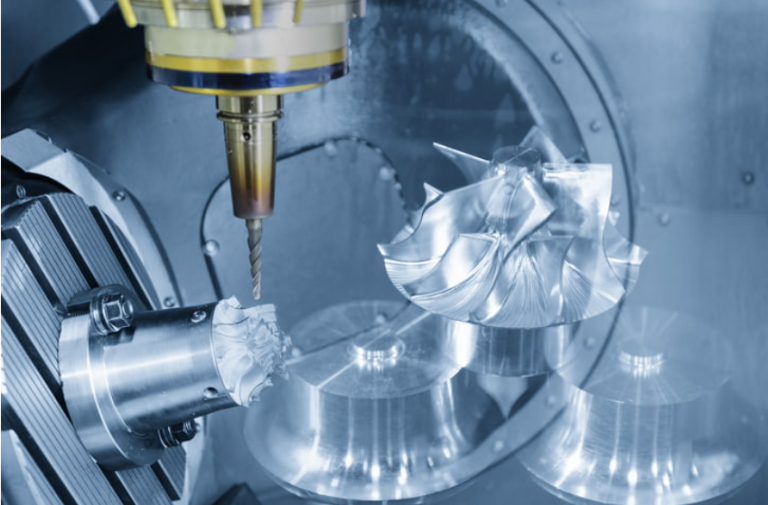
We regularly machine components for:
Wafer handling hardware - end effectors, chucks, lift pins, transfer arms
Vacuum chamber components - lids, base plates, internal fixtures
Gas distribution hardware - plates, manifolds, and related flow components
Structural and precision parts for etch, deposition, clean, and metrology modules
Assembly and test fixtures used during equipment build
Aluminum is common for structural and handling parts. 316L is selected for vacuum and corrosive environments. Engineering plastics appear where electrical isolation or chemical resistance is required. Surface treatments are applied only when the drawing or process environment calls for them.
From Drawing to Qualified Production
The sequence is straightforward:
We review the drawing and 3D model for critical dimensions, GD&T, surface requirements, and material.
We provide DFM notes on tolerance feasibility, finishing, and any high-risk features before cutting metal.
First-article or prototype parts are machined, inspected, cleaned if specified, and delivered for evaluation.
Once approved, fixtures, tools, and inspection plans are frozen (process qualification).
Repeat orders follow the same qualified process for series production.
Multi-axis milling, secondary operations, and coordination of finishing or cleaning stay inside one workflow. As a custom semiconductor CNC milling parts manufacturer, we treat the print and the practical demands of the tool as equally important.
Working With Us
If you are comparing suppliers for semiconductor equipment CNC machined components, these are the points we expect to discuss:
Relevant experience with wafer-handling, vacuum, or process-critical parts
Inspection capability matched to the tolerances and surface requirements on your drawing
Routine material traceability
Defined cleaning and packaging approach
Support for both prototype quantities and ongoing production
Clear lead times, MOQ, and NDA handling
We support OEM semiconductor equipment parts and repeat production under the same process controls. Experience with volume orders shows up in stable lead times and consistent results across lots, not in generic claims.
FAQ
Q: What materials do you machine for semiconductor equipment?
A: Aluminum alloys (including 6061), 316L stainless steel, selected other metals, and engineering plastics such as PEEK and PTFE. Finishes include anodizing, passivation, and electropolishing when specified.
Q: Why does surface roughness matter?
A: It affects particle generation, cleanability, and sealing. We measure Ra against the drawing instead of leaving it to default machining conditions.
Q: What tolerances can you hold?
A: Critical features are commonly held to ±0.005 mm on suitable geometries. Actual capability depends on feature size, geometry, material, and fixturing. We confirm feasibility during DFM review.
Q: How do you control contamination?
A: Through appropriate cutting parameters, controlled handling, defined cleaning steps, and packaging that protects the part until it is installed. The protocol is matched to the cleanliness needs of the application.
Q: Do you work to SEMI-aligned requirements?
A: When specified, we apply elevated controls on material documentation, surface condition, cleanliness, and inspection records. Not every part requires full protocol; we match the process to the requirement.
Q: What do you need for a quote?
A: Drawings or STEP models, critical tolerance and surface callouts, material specification, quantity, and any cleanliness or documentation requirements. Lead time and MOQ are confirmed with the quotation.
We machine semiconductor CNC milling parts for teams that need predictable dimensions, controlled surfaces, and clean, documented delivery. If you have drawings for wafer-handling, vacuum, or process components, send them for a DFM review and quotation. We will respond with tolerance feasibility, finishing recommendations, and a realistic schedule.
Hot Tags: semiconductor cnc milling parts, China semiconductor cnc milling parts manufacturers, suppliers, factory