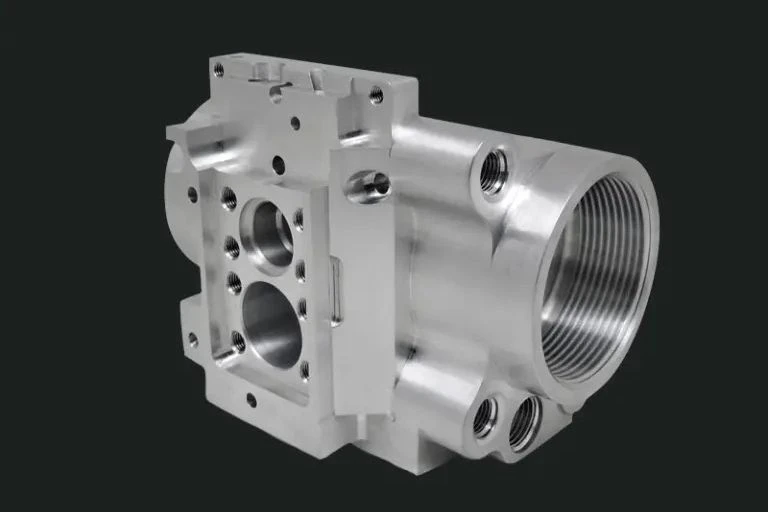
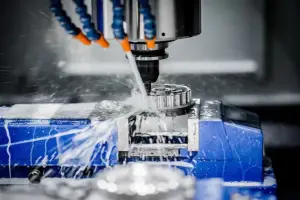
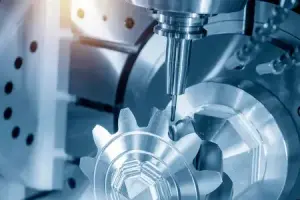
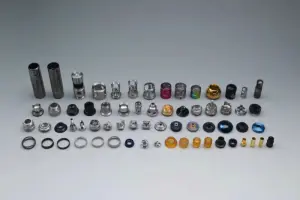

Many companies already buy CNC machining and still deal with late assemblies, rejected lots, or repeated arguments over dimensions. The issue is rarely the lack of a machine shop. It is the lack of a real precision aluminum CNC milling partner that can hold results steady from one lot to the next.
A medical-device manufacturer ran into this exact problem. Their supplier's aluminum housings passed first-article checks, yet later lots drifted 0.03–0.04 mm on critical features and caused assembly interference. The shift was small on paper but large enough to stop the line. Moving the work to a dedicated precision aluminum CNC milling manufacturer stabilized the dimensions within two production runs. The difference was process control and material-specific discipline, not simply more machines.
If two or more of the signs below feel familiar, it is usually time to look past a general shop.
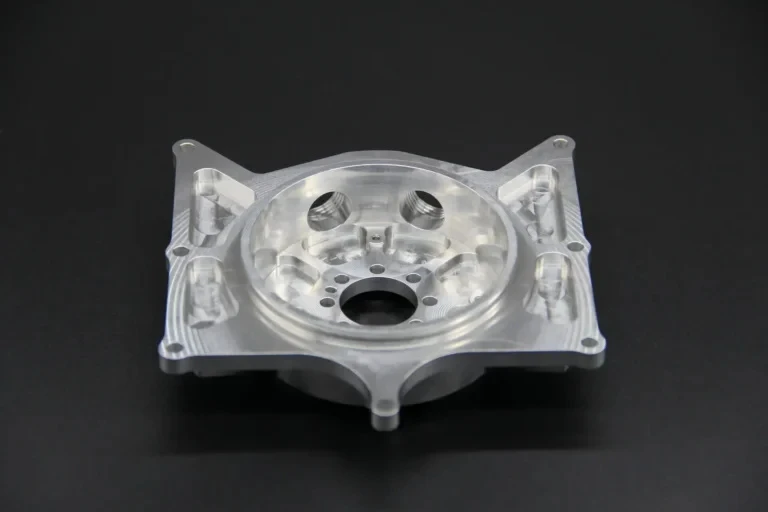
1. Tolerances Keep Drifting Beyond Acceptable Limits
When key features regularly push past ±0.02 mm or show clear movement between lots, the process is outside reliable precision aluminum CNC milling capability. One-off outliers can be explained. Repeated drift on the same dimensions usually traces back to fixturing that is not rigid enough, tool-wear compensation that lags, or residual stress that was never properly managed-especially on 6061 and 7075.
A capable aluminum CNC milling factory tracks process capability (many aim for Cpk ≥ 1.33 on critical dimensions) and can show recent data instead of a single first-article report. If your current supplier treats every deviation as "normal variation" and cannot produce that evidence, risk compounds with every new lot of tight tolerance aluminum parts.
2. Surface Finish and Anodizing Results Vary from Lot to Lot
In precision aluminum CNC milling, surface quality is largely decided at the machine, not at the finishing house. When roughness, texture, or anodize color/thickness shifts noticeably between batches, downstream problems follow. Variation greater than Ra 0.8 µm on critical faces, or visible differences under the same anodize specification, is a practical warning sign.
General shops often treat finishing as someone else's problem. A focused manufacturer controls the cutting parameters that affect surface integrity and works with qualified finishing partners inside documented process windows. If you are still sorting parts by appearance or sending mixed lots back for rework, the machining step is not stable enough.
3. Production Lots Look Worse Than the First Article
First-article parts measure well. Production lots do not. This pattern is one of the most common reasons companies start searching for a better aluminum CNC milling factory. Typical causes include reactive tool-life management, ignored material heat-lot differences, and fixtures that lose repeatability once volume increases.
Ask for measurement results from the last three to five production lots, not only the first article. A reliable partner can show that key dimensions on tight tolerance aluminum parts stay consistent once the process is locked. If every new lot needs "special attention" or extra inspection, the process itself is not under control.
4. Technical Questions Take Days to Answer
When dimensional issues, material questions, or schedule changes sit unanswered for days, project risk rises fast. Precision aluminum CNC milling work-especially for medical, aerospace, or instrumentation parts-needs clear technical replies measured in hours, not days.
Slow, vague, or purely commercial responses usually mean the shop lacks dedicated process engineers who understand both the machining and the function of the part. Strong manufacturers assign contacts who can discuss tolerance stack-ups, residual stress, or alternative approaches without needing three internal hand-offs. If you are still chasing basic clarifications, the communication structure is already costing you time and scrap risk.
5. You Almost Never Receive Useful DFM Input
"We can machine it as drawn" is not engineering support. On complex or higher-volume tight tolerance aluminum parts, the absence of Design for Manufacturability feedback leaves cost and risk on the table. Features that drive unnecessary cycle time, tolerance stacks that are difficult to hold, or material choices that increase distortion often go unchallenged.
Experienced teams flag these issues early and propose practical alternatives that still meet function. If your current supplier rarely questions the drawing or suggests process-friendly adjustments, you are missing one of the highest-leverage benefits of working with a true precision aluminum CNC milling manufacturer.
What Improved After the Switch
An instrumentation company moved a family of aluminum enclosures after repeated tolerance and finish problems. Before the change, dimensional scrap ran 6–7% and anodizing yield was inconsistent because surface condition out of the mill varied. After moving to Sunhingstones, the first two production lots dropped scrap below 1.5%. Surface consistency improved enough that anodizing yield rose, and lead-time predictions became more reliable because process parameters were locked and monitored instead of adjusted lot by lot. The gain came from treating the work as controlled precision aluminum CNC milling rather than generic CNC machining.
Industry Context
Discussions linked to ESTA and wider manufacturing standards keep returning to the same points: process capability data, material heat-lot traceability, and documented residual-stress control for aluminum components. Buyers of tight tolerance aluminum parts increasingly ask aluminum CNC milling factories for evidence of these controls during audits, rather than accepting machine lists at face value. The performance gap between a general shop and a specialized manufacturer is becoming harder to ignore.
FAQ
Q: How do I evaluate a supplier's precision claims?
A: Request recent process-capability data on similar tight tolerance aluminum parts, not just one first-article report. Ask how they manage tool wear, residual stress, and material variation. Review their inspection approach for the features that actually matter to your assembly.
Q: Is a lower quote a good indicator of value?
A: Rarely, when stability is required. The real cost of precision aluminum CNC milling includes scrap, rework, assembly delays, and engineering time spent chasing variation. A slightly higher unit price from a controlled process often produces lower total cost.
Q: What documentation should a capable aluminum CNC milling factory provide?
A: Mill-test certificates, heat-lot traceability, first-article reports, and evidence of ongoing monitoring on key dimensions. Regulated industries usually expect additional process-control records.
Q: When is it worth changing suppliers mid-program?
A: When the signs above keep appearing and the current shop cannot present a concrete plan to stabilize results. Continuing with an unstable process almost always costs more than a managed transition.
Next Step
If several of these signs are present, it is worth evaluating a dedicated precision aluminum CNC milling manufacturer. Sunhingstones focuses on process stability, material-specific strategies, and clear technical communication for aluminum components that need consistent results.
Compare your current issues against the criteria above, then contact the technical team with your parts, tolerance requirements, and recent quality history. Choosing a manufacturer that actually matches the demands of precision aluminum CNC milling remains one of the highest-leverage decisions in the procurement process.