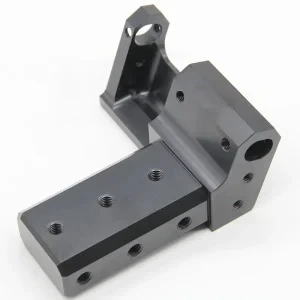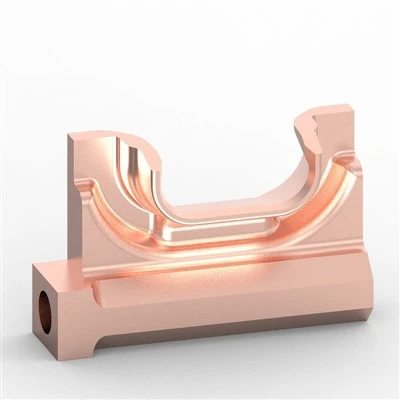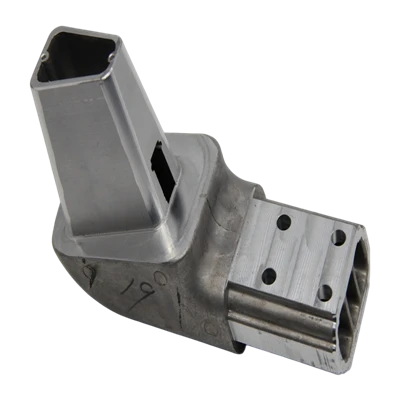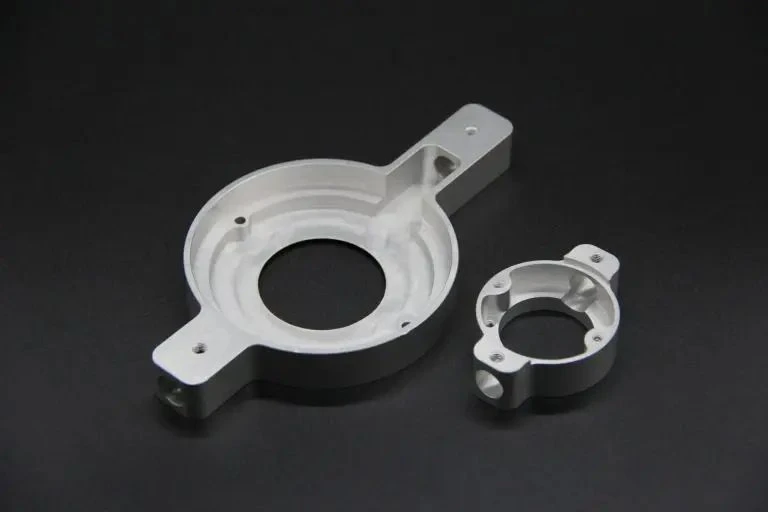


Getting the aluminum grade wrong on a precision aluminum CNC milling job is expensive. Parts warp after machining, anodizing fails, tools wear out faster than expected, or an entire batch gets scrapped. Procurement and engineering teams see this more often than they admit-usually when a design is locked and the first production run is already on the machine.
This guide focuses on the practical differences that matter in real precision aluminum CNC milling work. We compare the grades most buyers actually specify, match them to common part types, and show why material choice and manufacturer capability have to be decided together.
What Goes Wrong When the Grade Is Wrong
A mid-volume automotive supplier once ordered 6061-T6 for a structural bracket that had been designed around 7075-T6. First-article parts looked fine. After heat treatment and hard anodizing, nearly 40% of the lot was out of tolerance from distortion. The machining itself was competent. The material simply could not hold the residual-stress profile the process required. Similar failures show up in aerospace fixtures, medical housings, and high-end electronics enclosures when teams default to the most familiar alloy without checking secondary operations.
6061 vs 7075 Aluminum CNC Machining - and the Other Common Options
Four grades cover the majority of precision aluminum CNC milling projects: 6061-T6, 7075-T6, 5052, and 2024. Their behavior under the cutter is different enough to change cycle time, tool life, and scrap risk.
6061-T6 is the everyday workhorse. It machines cleanly, produces predictable chips, and accepts anodizing with relatively wide process windows. Residual stress is manageable with standard roughing and stress-relief strategies. Cost is moderate and availability is excellent. Most general structural and cosmetic parts land here.
7075-T6 delivers substantially higher strength. It is the default for high-load brackets, aerospace fittings, and performance components where stiffness-to-weight matters. In 6061 vs 7075 aluminum CNC machining, the trade-offs are clear: 7075 is more abrasive, generates higher cutting forces, and carries greater distortion risk if material removal rates and fixturing are not controlled. Tool life is shorter and surface-treatment windows are tighter. Material cost is higher and total machining cost usually rises more than the raw material premium alone.
5052 prioritizes formability and corrosion resistance over strength. It is softer and more prone to built-up edge if speeds and feeds are not adjusted. It appears less often in tight-tolerance milled structural work but is common when parts later need bending or welding.
2024 offers solid strength and fatigue performance and still appears in older aerospace designs. It machines reasonably well but needs protective coatings more often than 6061 or 7075. Availability and pricing can be less stable.
Quick practical ranking for most precision aluminum CNC milling shops:
Strength: 7075-T6 > 2024 > 6061-T6 > 5052
Ease of holding tight tolerances with low scrap: 6061-T6 usually leads
Distortion risk under aggressive machining or post-processing: higher on 7075-T6 and 2024
Overall cost for finished parts: 6061-T6 remains the lowest in most cases
Matching Grade to the Actual Part
Structural parts that carry significant static or dynamic load usually justify 7075-T6 when the design allows. If corrosion resistance, anodizing consistency, and process robustness rank higher than peak strength, 6061-T6 is often the better total-cost choice.
Cosmetic covers, housings, and faceplates almost always run better in 6061-T6. It produces more consistent surface finishes and responds more predictably to clear or color anodizing. 7075 can reach the same cosmetic standard, but the process control required is stricter and the cost is higher.
High-stress or fatigue-critical components-mounting points under vibration, drone frames, performance automotive parts-lean toward 7075-T6 or occasionally 2024. Here the aluminum CNC milling manufacturer must demonstrate controlled material removal, proper stress-relief sequencing, and post-machining inspection for residual stress effects. Simply programming the same toolpaths used on 6061 is rarely enough.
When both high strength and corrosion resistance are required, some programs use 7075 only in the load paths and 6061 elsewhere, or apply specialized coatings. These hybrid decisions work best when the machining partner is involved early.
Case Example from Production
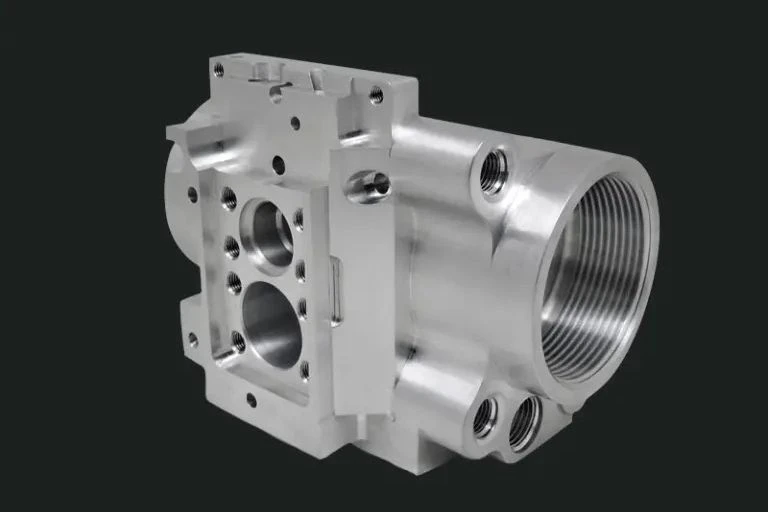
A precision equipment manufacturer brought Sunhingstones a multi-cavity housing originally specified entirely in 7075-T6. Load-path analysis showed that only the mounting interfaces truly needed the higher strength. The team switched the bulk of the part to 6061-T6 while keeping 7075 inserts at the critical interfaces. Material cost dropped, cycle time improved, and anodizing yield rose. First-article dimensional stability stayed inside tolerance, and subsequent production maintained scrap below 1.5%. The project is a typical illustration that precision aluminum CNC milling results depend on matching grade to actual function rather than defaulting to the strongest available alloy.
Industry Context
Recent discussions across manufacturing standards bodies and channels associated with ESTA continue to highlight residual-stress management and material traceability. Buyers in regulated sectors increasingly ask aluminum CNC milling manufacturers for documented process controls around heat-lot tracking, stress relief, and first-article verification. Material grade selection and process capability are no longer separate conversations.
FAQ
Q: Is 6061 always the safer default for precision aluminum CNC milling?
A: No. When ultimate strength or specific stiffness is the primary requirement, 7075-T6 is often the correct engineering choice. 6061 is safer when process window, cost, and finish consistency matter more.
Q: How large is the real cost difference in 6061 vs 7075 aluminum CNC machining?
A: The material premium is only the starting point. 7075 usually needs slower feeds, more frequent tool changes, and tighter process control, so the finished-part cost delta is typically larger than the raw material difference.
Q: Can a good aluminum CNC milling manufacturer compensate for a borderline grade choice?
A: To a limited extent-through optimized toolpaths, staged roughing, and adaptive fixturing. Compensation increases risk and cost. Early collaboration is more effective than trying to machine around a mismatch.
Q: What documentation should I request?
A: Mill test certificates, heat-lot traceability, and confirmed temper condition are baseline. For critical parts, ask specifically about residual-stress management procedures and first-article inspection methods.
Next Step
Selecting the right aluminum grade is the foundation of any successful precision aluminum CNC milling project. Equally important is working with a manufacturer that understands how each grade actually behaves under the cutter, in the fixture, and through secondary operations. Sunhingstones reviews functional requirements, tolerance stack-ups, and total cost of ownership with procurement and engineering teams, then applies process controls matched to the chosen grade.
If you are evaluating materials for an upcoming precision aluminum CNC milling program, contact the technical team to review your requirements and relevant production data. Matching the grade and the process partner at the same time remains the most reliable route to on-time, in-spec parts.