
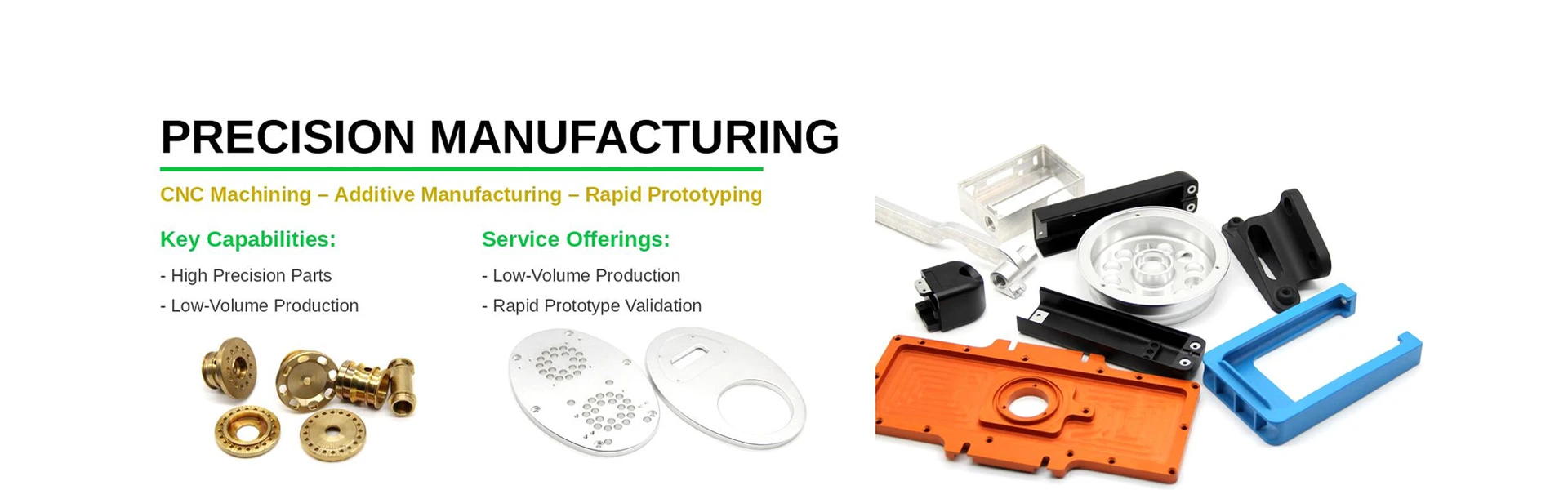
The new device drawing lands on your desk with a titanium callout, a ±0.0127 mm tolerance, and a note that says "medical grade." If this is your first medical part, the temptation is to treat it like any tight CNC job and send it out - that's usually where the first search for medical cnc machining happens, right after the rework bill. Medical CNC machining isn't harder because the machines are special. It's different because the print, the material, and the paperwork have to line up before a single chip is cut. This guide covers the specs that actually make a part medical-grade, in the order you should check them on your own drawing before it goes to a shop.
What Makes a Medical Part Different on the Print
Four lines separate a medical part from a demanding industrial one, and they don't all live on the dimension callouts. Tolerance comes first: surgical instruments and implant components often sit inside ±0.0127 mm, about half what a good general machining shop quotes as standard. Surface finish follows - Ra 0.2 to 0.8 µm, with polished and passivated surfaces for anything that touches tissue. Then the material: biocompatible alloys and medical polymers with documented traceability, not just "stainless." And finally the paperwork - material certificates, inspection reports, and lot traceability that follow every batch. A shop that quotes medical cnc machining should ask you about all four. If the conversation stops at dimensions, the part isn't being treated as medical yet.
Material and the Certificates Behind It
The material callout is where medical parts get expensive, and where cheap quotes go wrong. Titanium Grade 5 (Ti-6Al-4V) carries most implants and trauma hardware; 316L stainless covers instruments, guides, and housings; cobalt-chrome shows up where wear resistance beats everything; PEEK and UHMWPE handle the polymer side. Each one machines differently - titanium work-hardens and needs rigid setups, PEEK wants sharp tooling and coolant control, UHMWPE is soft enough to smear if the feed is wrong. What makes the part medical-grade isn't just the alloy, though. It's the material certificate (MTR) that ties the lot back to the mill, and the biocompatibility data for anything that touches the body. Most medical cnc machining quotes live or die on the material line. When you spec medical cnc machining, ask for the MTR on the quote. A shop that can't provide material traceability can't provide a medical part.
Tolerance and Surface That the Drawing Must Name
The tolerance and finish on the print decide whether the quote is realistic or a prayer. Medical parts routinely call ±0.0127 mm on critical features - bone screw threads, instrument mating faces, implant bores - and that number is achievable on a good 5-axis or Swiss-style machine, but only with the right tooling, temperature control, and inspection. The surface finish matters for a different reason: Ra 0.2 to 0.8 µm isn't just cosmetic. It's about cleaning, corrosion resistance, and how the part behaves against tissue. Two more lines belong on the drawing: deburring and edge requirements - sharp edges are a failure mode on instruments - and the finish treatment, passivation or electropolishing for stainless, anodizing for titanium where specified. Name them on the print. A supplier quoting medical cnc machining off a drawing that only shows dimensions is quoting a gap.
Cleanliness, Packaging, and the Fine Print
Medical parts leave the machine clean, and clean means documented. Oil-free machining, no silicone, controlled handling, and packaging that keeps the part from touching anything that could contaminate it - these are the fine print lines that turn a machined part into a deliverable. The depth of the requirement scales with the part: a Class III implant component carries a different cleanliness and validation burden than a diagnostic housing, and a prototype carries less paperwork than a production lot. That's the part of medical cnc machining most buyers discover late, usually when the first batch fails incoming inspection for residue the drawing never mentioned. Put the cleanliness and packaging requirements on the RFQ, not just the drawing.
Prototype Stage, Then the Production Spec
The smart path through medical cnc machining is almost always two stages. Prototype: a handful of parts to validate geometry, fit, and the machining strategy - usually with a First Article Inspection report against the print. Then production: the same shop, now running the validated process at volume with lot traceability and repeatable inspection. This two-stage path is cheaper than jumping straight to volume and discovering the tolerance needs a different machine, or the finish needs a different toolpath. Ask the supplier whether they do both - medical cnc machining for prototype and production in one shop is usually the cheaper route, because the shop that ran your prototype knows the tooling, the material behavior, and the inspection setup, and that continuity is worth real money when the batch is on the line.
FAQ
What tolerance can medical cnc machining hold? Critical features hold ±0.0127 mm routinely, with tighter work possible on Swiss and 5-axis machines - name the feature and the shop will tell you what's realistic.
Do I need material certificates? Yes, for anything medical. Ask for the MTR on the quote; lot traceability is part of the medical-grade definition.
What surface finish do medical parts need? Ra 0.2 to 0.8 µm is the common band, with polished and passivated surfaces where the part touches tissue.
Is passivation required? For stainless instruments and implants, usually yes - it removes free iron and restores the corrosion-resistant surface. Put it on the print.
Can one shop handle prototype and production? Often yes - and it's usually the cheaper path, since the prototype shop already knows the process.
Check the four lines on your drawing - tolerance, surface, material traceability, and the cleanliness fine print - before the quote, and the medical cnc machining conversation gets a lot more useful. Our precision machining service guide covers the tolerance side in more depth, our PEEK CNC machining guide digs into the polymer callout, and our inquiry page is where you send the drawing, the material spec, and the finish requirements for a quote. A part that's specified like a medical part gets machined like one the first time.