
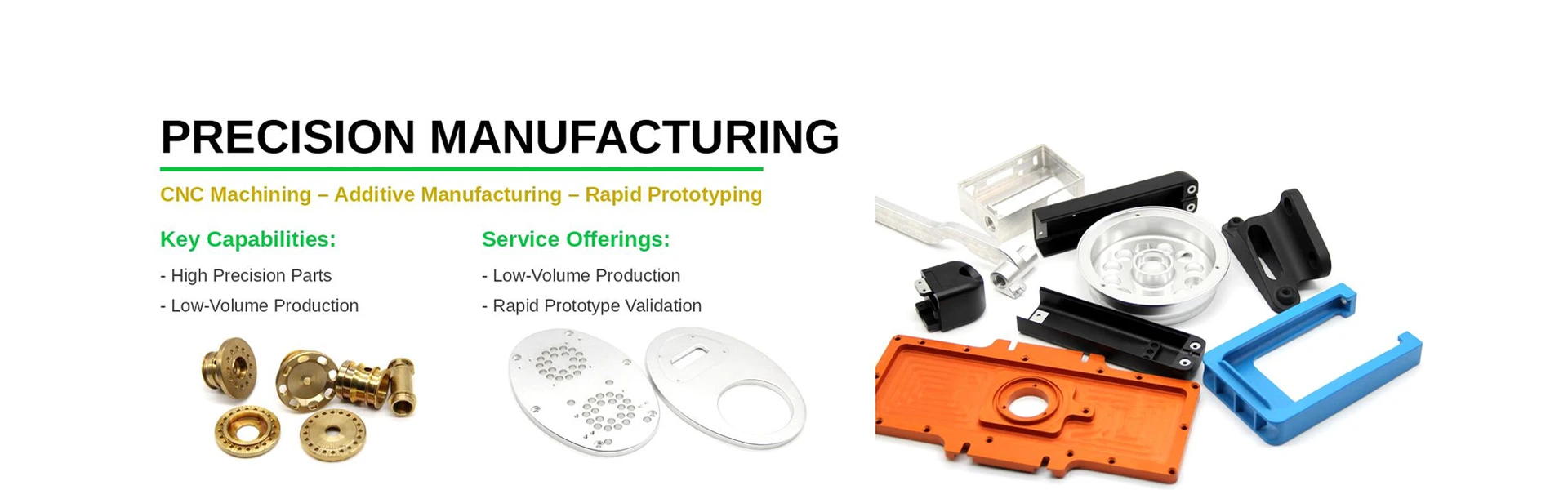
Last month a buyer sent us a STEP file with one line of email: "need this quoted fast." There was no tolerance block on the drawing, no material grade, no finish note. We answered with three questions, and his answers moved the price more than the part itself. He redrew the file and asked again. Most CNC prototyping quotes we send start the same way, so consider this the three questions, plus what to check before you confirm anything.
You do not need a perfect drawing to get a useful quote. You need a drawing that says what matters. Put a tolerance block, a material grade, and a finish note on the file, then ask for a CNC prototyping quote. That small step usually saves a full round.
What CNC Prototyping Actually Buys You
You are not buying a part. You are buying an answer to one question. "Does this fit?"-machine a functional sample in the real material. "Will this sell?"-a cosmetic model is enough. Pick the question before you call anyone, because it decides the material, the finish, and the budget. Prototyping for the wrong question is how you spend three rounds on what should have been one. Good CNC prototyping starts with the right question.
The Drawing Checklist That Prevents Round Two
Before any CNC prototyping quote, three things need to be on the drawing: a tolerance block, a surface finish note, and a material grade with the exact alloy. Leave one out and we quote the cheapest reading we can defend-the reading that fits the lowest price, not the reading that fits your design. The difference shows up when the part arrives.
Send a STEP file for the geometry and a PDF with the dimensions on top. STEP moves cleanly between CAD and CAM; the PDF is what the machinist reads to confirm you meant what the CAD shows. Mark the one dimension that decides whether the part works. Say which surfaces are cosmetic. A CNC prototyping shop quotes what it can see, and a drawing that says more earns a quote that means more.
Materials: Prototype in the Same Grade as Production
Switching materials is the fastest way to kill a prototype program. 6061 and 7075 machine differently. 303 and 316 behave differently in service. PEEK and POM are not the same thing. A prototype cut from a "similar" grade tells you almost nothing about the production part, yet buyers do it to save a few dollars on round one.
Ask whether the grade on your drawing is in stock at your quantity. Stocked grades ship fast; ordered grades add weeks, and that difference can sink your CNC prototyping schedule. Material still open? Ask how each candidate cuts. Harder grades cost more per part and take longer, and that is not a markup-that is physics.
Tolerance and Finish: What to Lock Down First
Tight tolerances are not free. Standard CNC prototyping tolerance is about ±0.01 mm on machined features; anything tighter eats setup time and inspection time. Pick the two or three dimensions that decide fit, lock those down, and let the rest ride on the standard block. Nobody at the shop cares about the flatness of a cosmetic face, but the quote does.
Finish is the same story. Give the shop the Ra value you need on sealing or mating surfaces and leave cosmetic areas at the standard machined finish. Anodizing, plating, bead blasting-each adds days and dollars. Decide what the prototype actually needs before you order, or the extras show up on the invoice.
How Iteration Costs Are Priced
Prototypes get quoted per round. The first round carries setup, programming, and material minimums. The second round drops setup if the change is small, so it usually comes cheaper. Ask how revisions are priced before you order-a low per-part price adds up fast across three rounds, and the third round is where most budgets die.
In CNC prototyping, two pricing questions matter more than the hourly rate. Does the quote include inspection and a material certificate? What happens to a drawing revision after the order starts? Both answers move the total more than the per-part number does.
What to Check Before You Order
Read the quote like a checklist. Material grade, quantity, tolerance class, finish, lead time-get each one in writing. Ask if first-article inspection and a dimensional report are included. A prototype without a report is a part you cannot act on; it is a decoration.
Ask how revisions are handled and whether rework is free when the error is theirs. A shop that reviews your drawing before quoting, flags unclear dimensions, and answers revision questions in the first email is worth testing with one round of CNC prototyping. A shop that only answers the price? Keep looking.
FAQ
Is one CNC prototyping round enough? Usually not. Most parts need two: one to confirm fit and function, one to confirm the production version. Budget for both.
What file format should I send? STEP for the geometry, plus a PDF with dimensions and tolerances. Mark critical features right on the drawing.
Can I prototype in the same material as production? Yes, and you should. Ask the shop to confirm stock and lead time for the production grade before you order.
How long does CNC prototyping take? It depends on material, complexity, and finishing. Ask for a confirmed date in the quote, not an estimate.
A useful CNC prototyping round starts with a drawing that says what matters and a short list of questions. Send us your STEP file with tolerances marked and tell us which features are critical. We review the drawing, flag anything unclear, and come back with a quote and a confirmed date. To see how we read drawings before machining, start with our CNC machine shop guide, or read our guide to custom CNC machining services for what happens after your prototype is approved. Ready? Send your file through our inquiry page.