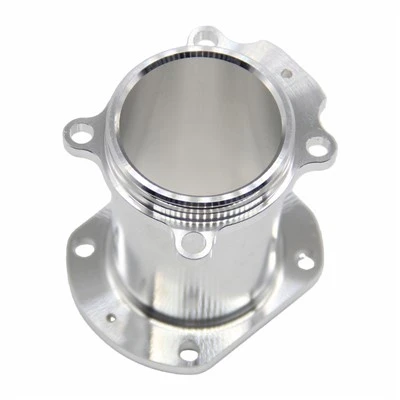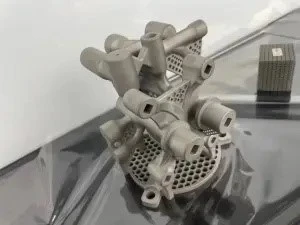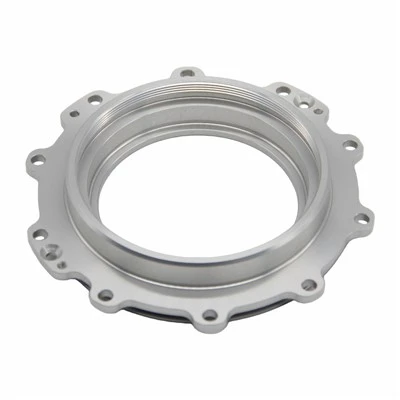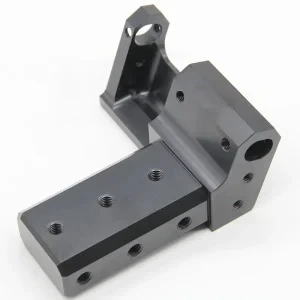



The sample looked perfect. Then the production batch arrived: the covers no longer closed properly, or visible tool marks and scratches failed the customer's incoming inspection. The project schedule slipped while everyone argued about who was responsible. In most cases the root problem is not the machine-it is that the critical checks were never completed before the order was placed. This guide walks through the five essential checks for medical device housing CNC machining and ends with a short, copy-ready checklist you can use on every new supplier.
Why Medical Device Housings Are Not Like Ordinary CNC Parts
A medical device housing must protect sensitive electronics, survive repeated cleaning or sterilization cycles, and stand up to regulatory scrutiny. Dimensional stability, cleanability, material biocompatibility and full traceability are non-negotiable. Unlike general industrial covers, CNC milled medical device housings are part of a regulated quality system. Under the FDA Quality Management System Regulation (QMSR), which became effective on 2 February 2026 and incorporates ISO 13485:2016 by reference, manufacturers and their critical suppliers are expected to maintain documented process control, risk management and material traceability. A shop that treats these parts like ordinary aluminum boxes will eventually create compliance or field problems. That is why specialized medical device housing CNC machining capability matters from the first inquiry.
Is the Material Right for the Job?
Material choice drives both performance and regulatory acceptance in medical device housing CNC machining.
Aluminum 6061 / 5052
Lightweight, good thermal conductivity, excellent machinability. Widely used for external enclosures, portable monitors and equipment housings that do not require prolonged body contact. Request mill certificates with heat numbers.
Stainless steel 304 / 316L
Superior corrosion resistance and cleanability. Preferred when the housing must withstand aggressive disinfectants or autoclave cycles. 316L is the more common medical-grade choice.
PEEK and medical-grade plastics
Lightweight, excellent chemical resistance and repeated sterilization capability. Medical-grade PEEK and certain PEI grades are tested to ISO 10993 biocompatibility requirements for the intended contact duration. Useful when weight or dielectric properties matter.
Always obtain a material certificate (mill test report) tied to the specific heat or lot. For patient-contact or prolonged-use applications, confirm that the material grade has appropriate ISO 10993 data or USP Class VI compliance. A reliable custom medical enclosure manufacturer will treat material documentation as standard, not an optional extra.
Can They Hold the Tolerance You Actually Need?
Not every dimension needs the tightest tolerance on the drawing. Specifying ±0.005 mm everywhere drives cost up sharply without improving function.
Critical features that usually require tight control:
Mating faces and cover-to-base interfaces (flatness and gap control)
Screw-hole positions and diameters that locate boards or connectors
Sealing grooves or gasket lands
Alignment pins or datum features that affect assembly
Non-critical external contours can often follow general tolerances such as ISO 2768-m. A capable CNC machining factory for medical enclosures will review the drawing, identify which features truly drive function, and propose realistic tolerances that still meet the design intent. Over-tolerancing is one of the fastest ways to inflate the price of CNC milled medical device housings.
Surface Finish and Cleanability
Medical housings must be free of burrs, sharp edges and pockets that trap contaminants. Surface roughness directly affects cleanability and bacterial adhesion. Smoother surfaces (typically Ra ≤ 0.8 µm on critical external faces, and lower where required) are easier to wipe down and sterilize effectively.
Common finishes and their typical uses:
Anodizing (Type II or hardcoat) – corrosion protection and durable color on aluminum
Bead blasting or controlled media blasting – uniform matte appearance
Electropolishing or mechanical polishing – stainless-steel parts that need maximum cleanability
Passivation – stainless steel corrosion resistance after machining
Discuss the required Ra values and the cleaning/sterilization method early. The finish must survive the intended disinfection protocol without degradation or particle generation. This is a standard discussion point when evaluating medical grade CNC machining services.
Quality Certificates and Inspection Reports
Certificates alone are not enough; the scope and the supporting reports matter.
Key documents to request:
ISO 13485 certificate whose scope explicitly includes CNC machining (or precision machining of medical device components)
First-article inspection (FAI) report with full dimensional data
CMM or equivalent measurement reports for critical features
Material certificates with heat/lot traceability
Certificate of conformance for each production lot
An ISO 13485 CNC machining supplier with the correct scope demonstrates that its quality system addresses medical-device risk management, process validation and full traceability. Under the current FDA QMSR framework, these elements are expected for critical component suppliers. Always review an actual sample report before placing a production order; a certificate without supporting inspection evidence is incomplete. A professional medical device housing manufacturer will provide these documents without hesitation.
Lead Time, MOQ and Batch Consistency
Prototype and production behave differently. A shop that can deliver a few samples quickly may lack the capacity or process control for consistent larger lots.
Ask about:
Realistic prototype lead times (commonly 7–15 working days after drawing approval)
How fixtures and process parameters are locked once the first article is approved
Evidence of capacity for wholesale CNC machined medical parts or bulk order medical device enclosures
Historical on-time delivery and scrap/rework rates for similar work
A reliable partner treats medical grade CNC machining services as a controlled process that scales from prototype to series without repeated learning curves. Consistency across batches is often more important than the absolute lowest unit price in medical device housing CNC machining.
Medical Housings That Passed Incoming Inspection
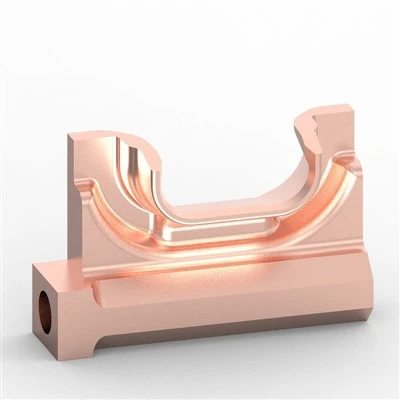
A medical-equipment company needed aluminum device housings with tight cover-to-base fit, controlled surface finish for cleanability, and full material traceability. Early samples from a previous supplier showed intermittent gap problems on the mating faces and surface marks that failed customer inspection. The housings were typical of many CNC milled medical device housings-thin sections, multiple critical interfaces, and zero tolerance for cosmetic defects that could harbor contaminants.
The selected custom medical enclosure manufacturer conducted a DFM review, adjusted fixturing to improve flatness stability on the thin walls, specified a controlled surface-finish process, and supplied complete first-article CMM reports plus material certificates with heat-lot traceability. Once the process was locked, subsequent batches met the fit and surface requirements without repeated rejections. The project demonstrated the value of treating these components as regulated parts rather than ordinary aluminum covers, and showed why working with a true medical device housing manufacturer reduces trial-and-error cycles.
(Exact quantities, measured yield figures and proprietary details are omitted because specific project data were not supplied for publication.)
Quick Supplier Checklist You Can Copy
ISO 13485 certificate with CNC machining explicitly in the scope
Material certificates with heat/lot numbers available
First-article inspection and CMM reports provided
Critical tolerances and surface-finish (Ra) requirements confirmed
Cleanability and sterilization method discussed and agreed
Realistic prototype and production lead times stated
Process for locking fixtures and parameters after FAI defined
Capacity for both low-volume and bulk orders confirmed
Clear non-conformance and CAPA process described
Willing to discuss DFM improvements before production
FAQ
Q: What should I check before buying CNC machined medical parts?
A: Material suitability and certificates, realistic tolerances, surface finish and cleanability, ISO 13485 scope that covers machining, inspection reports, and proven batch consistency. Use the five checks and the short checklist above when evaluating any medical device housing CNC machining supplier.
Q: What material is best for a medical device housing?
A: 6061 or 5052 aluminum for most external enclosures; 316L stainless when corrosion resistance and repeated sterilization are critical; medical-grade PEEK or similar plastics when weight, dielectric properties or high sterilization cycles are required. Always match the material to the contact duration and sterilization method, and request ISO 10993 or equivalent data when needed.
Q: Is ISO 13485 required for CNC machined medical parts?
A: It is the expected quality-system standard for medical-device component suppliers. The certificate must explicitly cover CNC machining. Under the FDA QMSR (effective February 2026), ISO 13485:2016 is incorporated by reference, so the practical requirement is strong for U.S. market devices.
Q: What tolerance can CNC milling achieve for medical enclosures?
A: Critical mating faces, hole positions and sealing features can routinely be held to ±0.02 mm or tighter on modern equipment. Non-critical dimensions should use general tolerances to avoid unnecessary cost. Discuss functional needs with the supplier rather than applying the tightest tolerance everywhere.
Q: How do I find a reliable medical grade CNC machining services supplier?
A: Start with verified ISO 13485 scope, review actual inspection reports and material certificates, evaluate DFM capability and communication, and confirm capacity for both prototypes and production. A short trial order with full documentation is the most reliable final filter when selecting a custom medical enclosure manufacturer or medical grade CNC machining services provider.
Clear checks before the order is placed turn medical device housing CNC machining from a source of delays and rejections into a controlled, predictable process. Use the five points and the checklist on every new supplier evaluation. Send your drawings and 3-D models for a practical review and quotation-most capable suppliers will respond within 24 hours with both pricing and specific feedback on material, tolerance and surface-finish risks.