
Key Advantages
Urethane casting offers several clear advantages for low-volume production:
Significantly lower tooling cost than injection molding (typically 60 – 80 percent saving)
Surface quality close to injection molding (Ra 0.8 μm or better)
Wide range of resins that simulate engineering plastics such as ABS, PC, PP, and rubber
Short lead times that support fast design iteration
High design freedom, including complex geometry and undercut features
Reliable functional validation with mechanical performance close to the production part
The table below summarizes how urethane casting compares to other small-batch processes:
|
Criteria |
Urethane Casting |
3D Printing |
CNC Machining |
Injection Molding |
|
Cost (5–100 pcs) |
Low |
Medium |
High |
Very High |
|
Surface Quality |
Production-like |
Visible layer lines |
Good |
Excellent |
|
Material Variety |
Excellent |
Limited |
Good |
Excellent |
|
Lead Time (small batch) |
7–14 days |
2–5 days |
5–10 days |
30–60 days |
|
Complex Geometry |
Excellent |
Good |
Limited |
Excellent |
Urethane casting lets you validate designs and reach the market faster, and at lower cost, than tooling-based alternatives.
Process Overview
Urethane casting uses vacuum casting technology. The typical process flow is:
- Master pattern manufacturing (3D printing or CNC machining)
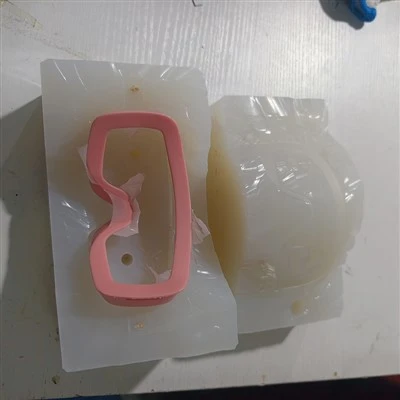
- Silicone mold casting around the master
- Vacuum degassing of the casting resin
- Polyurethane resin mixing and casting under vacuum
- Curing and demolding
- Post-processing and finishing
This process is particularly well suited to:
- Appearance and functional validation
- Small-batch production runs of 5 to 200 pieces
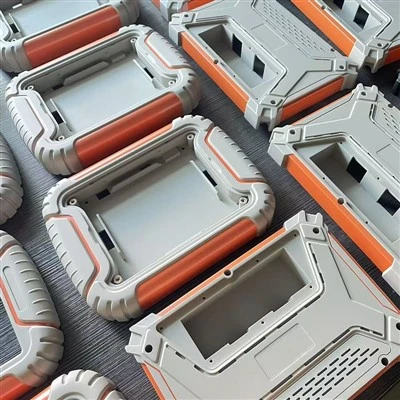
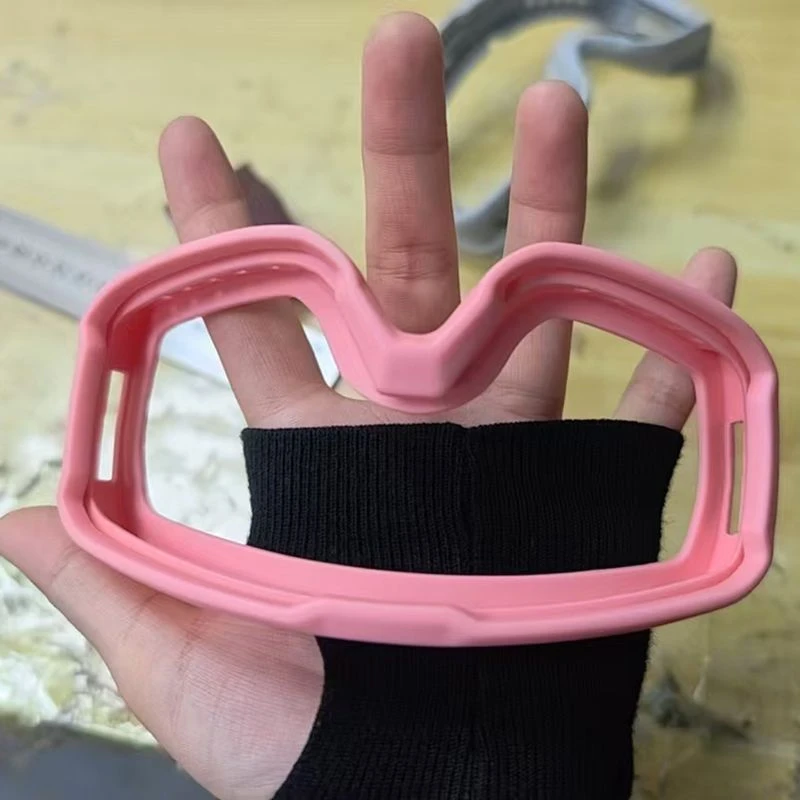
- Parts with complex geometry or soft-and-hard overmolding requirements
- Programs that need a near-final prototype quickly
Compared to 3D printing, vacuum-cast polyurethane parts have a smoother surface and more realistic material behavior. Compared to injection molding, the process avoids expensive steel tooling and is far better suited to fast iteration.
Surface Quality
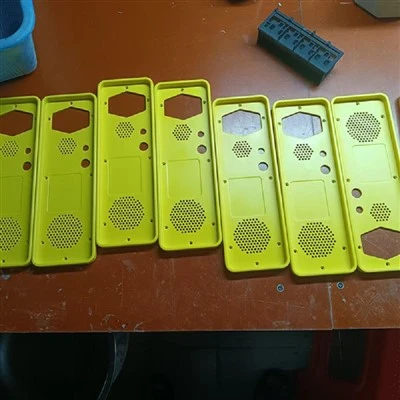
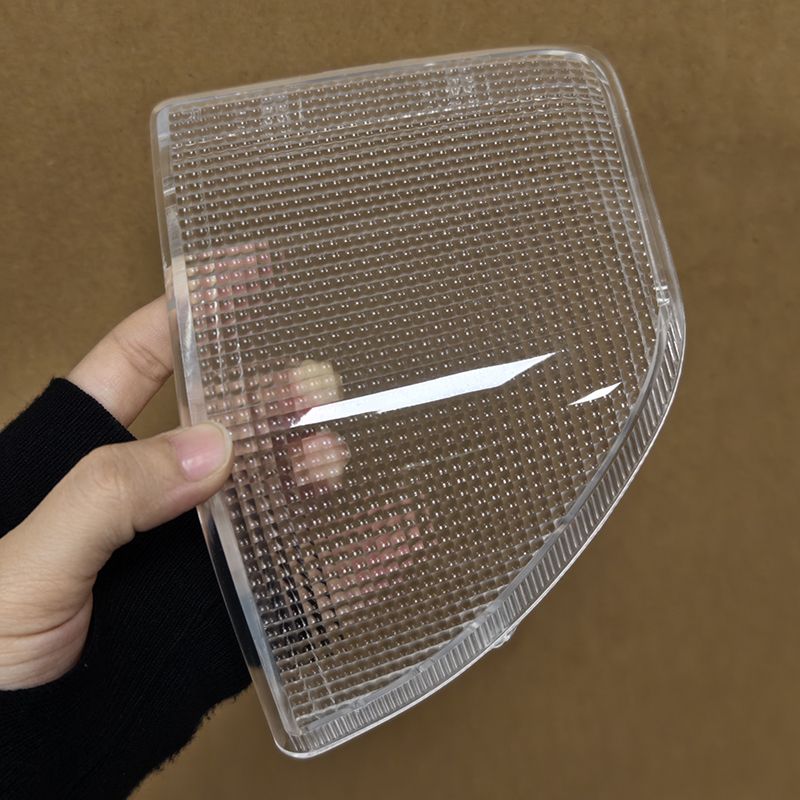
One of the strongest features of urethane casting is a surface finish close to injection molding. We routinely deliver parts with a smooth Ra 0.8 μm or better surface, free of bubbles and visible parting lines.
Achievable surface effects include:
High gloss / mirror finish
Matte texture
Pantone-matched paint finishes
Soft-touch coatings
Transparent and translucent finishes
This production-like surface quality means your prototypes are suitable for product photography, exhibitions, and user testing - significantly improving the speed and quality of design review.
Post-Processing Capabilities
Our in-house finishing capabilities further enhance the appearance and performance of cast urethane parts:
Professional spray painting (any Pantone color, plus pearl and metallic effects)
01
Silk-screen printing, laser engraving, and UV printing
02
Soft-touch coatings and rubber overmolding
03
Functional coatings (conductive, water-resistant, UV-stable)
04
Heat treatment or secondary curing for improved heat resistance
05
During the DFM stage, our engineers will recommend the optimal finishing approach based on your specific requirements.
FAQ
Hot Tags: urethane casting parts, China urethane casting parts manufacturers, suppliers, factory, ABS Like Plastic Casting, Overmolded Cast Prototypes, polyurethane casting, Urethane Casting Parts, Vacuum Casting Prototypes, vacuum casting services