
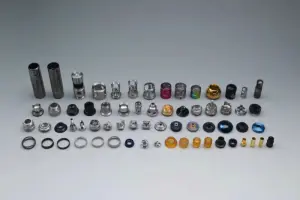

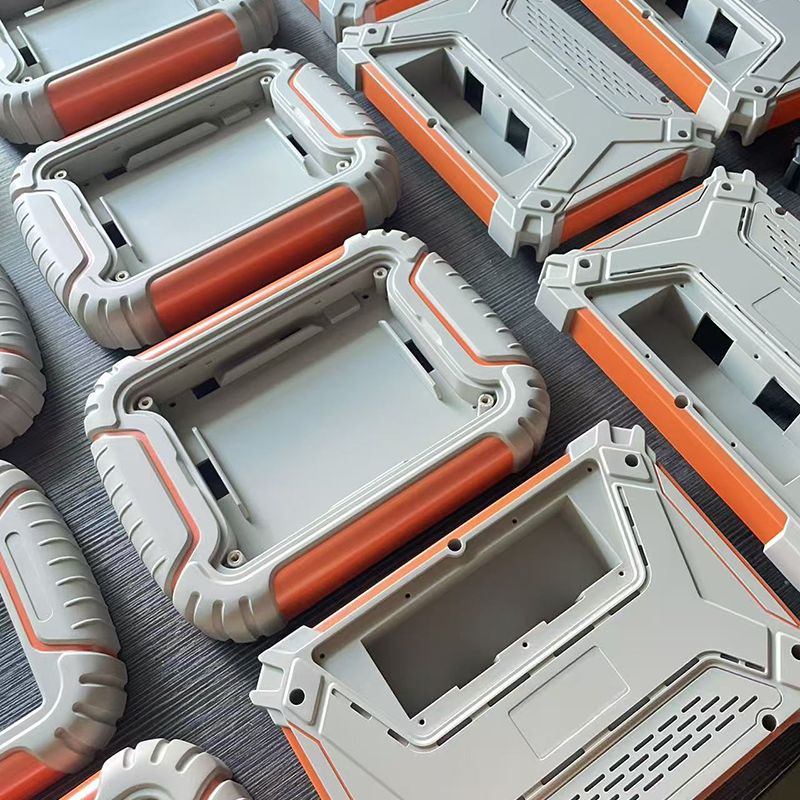
Material Performance & Consistency
Core advantages:
- Rapid delivery: typical projects completed in 5–8 working days, from master pattern to final part
- Wide hardness range: Shore A20 (rubber-like) to Shore D85 (rigid plastic)
- Low-volume economy: ideal for batches of 1–500 units, with no hard tooling investment
- Material simulation: resins engineered to approximate the mechanical behavior of common production plastics
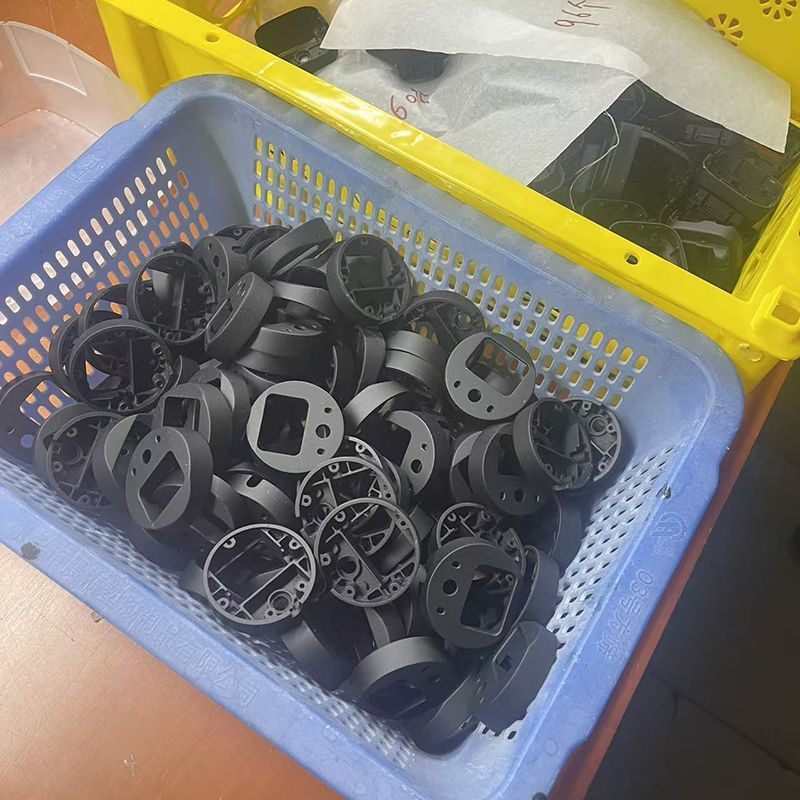
Manufacturing Capabilities
Standardized quality control supports consistent results across every urethane casting project:
Maximum part size: up to 600 × 500 × 300 mm (oversized parts can be cast in sections and bonded).
Standard tolerance: ±0.3 mm per 100 mm (or ±0.3% of nominal, whichever larger). Tighter tolerances of ±0.15 mm achievable on selected features after DFM review.
Minimum wall thickness: 1.0 mm recommended for consistent resin flow.
Surface finish options: matte, high-gloss mirror polish, textured (VDI 3400), painted, plated, or silk-screened.
Color matching: Pantone (PMS) and RAL color systems supported.
Polyurethane Material Options
Below are typical specifications for representative urethane casting resins. Exact properties vary by resin grade and supplier - we provide the specific data sheet for your selected material.
|
Resin Family |
Simulates |
Shore Hardness |
Tensile Strength (MPa) |
Elongation at Break |
HDT (°C) |
Color |
|
ABS-equivalent rigid |
ABS |
Shore D80–85 |
55–65 |
10–20% |
~80–90 (@1.82 MPa) |
Pigmentable |
|
PP/HDPE-equivalent |
PP / HDPE |
Shore D60–75 |
30–45 |
20–60% |
~70–80 (@1.82 MPa) |
Pigmentable |
|
Optically clear |
PMMA / PC (visually) |
Shore D80–85 |
50–60 |
8–15% |
~75–85 (@1.82 MPa) |
Optically clear / tinted |
|
Flexible elastomer |
TPE / TPU / soft rubber |
Shore A20–A90 |
1–25 (hardness-dependent) |
150–500% |
n/a (durometer-defined) |
Pigmentable |
|
High-temperature rigid |
Heat-resistant ABS / engineering plastic |
Shore D80–85 |
55–65 |
8–15% |
~120 (@0.45 MPa) |
Black / gray |
Tensile and elongation values for flexible elastomers vary widely with durometer - softer grades (A20–A40) produce low tensile strength and high elongation, while harder grades (A80–A90) produce higher tensile strength and lower elongation. HDT values are reported with the load condition specified, per ISO 75 / ASTM D648; @0.45 MPa values are higher than @1.82 MPa for the same resin.
Process Comparison
Choosing the right process is essential for budget and timeline. Below is an objective comparison of polyurethane casting against alternative methods:
|
Feature |
Polyurethane Casting |
Injection Molding |
SLA 3D Printing |
|
Tooling cost |
Low (silicone mold) |
High (steel / aluminum) |
None |
|
Lead time |
5–10 working days |
8–14 weeks |
1–3 days |
|
Surface finish |
Excellent (replicates master) |
Best |
Layer lines visible without finishing |
|
Functional testing |
Strong (production-relevant) |
Best |
Limited (some grades brittle) |
|
Ideal volume |
10–500 units |
1,000+ units |
1–5 units |
Custom Polyurethane Casting Services
We support bespoke urethane prototypes for complex engineering requirements:
Custom color & texture:
resin pigmenting before casting, plus custom mold textures matched to your final product.
01
Custom hardness formulations:
component mix ratios adjusted to achieve specific tactile properties or spring rates.
02
Inserts:
integration of threaded inserts, conductive contacts, or magnets directly into the cast part.
03
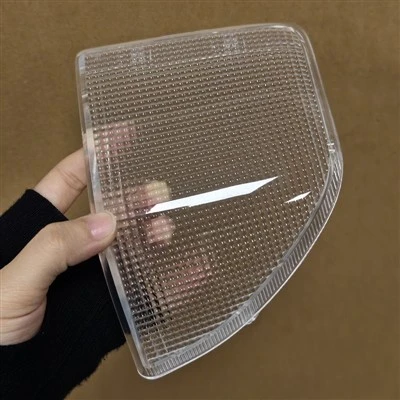
Clear & translucent parts:
PMMA-like clarity for lenses, fluid manifolds, and light pipes.
04
Two-material assemblies:
overmolding different durometer resins to simulate dual-material injection molding (see Overmolded Cast Prototypes).
05
FAQ
Hot Tags: polyurethane cast prototypes, China polyurethane cast prototypes manufacturers, suppliers, factory, ABS Like Plastic Casting, Low Volume Plastic Production, Polyurethane Cast Prototypes, Urethane Molding Parts, Vacuum Casting Prototypes, vacuum casting services