

The prototype arrives looking clean. Dimensions seem close enough on a quick check. Then assembly starts and the holes do not line up. Material certificates cannot be traced to the heat lot. The program slips another three weeks while everyone argues about rework versus scrap.
Choosing the right Aerospace CNC Milling Supplier matters more than shaving a few dollars off the unit price. A capable partner prevents the rework, the schedule hits, and the quiet loss of confidence that follows a failed prototype. This guide walks through the practical checks that separate shops that can handle aerospace prototypes from those that simply own CNC machines.
Why Aerospace Prototypes Are Different From Regular Machined Parts
Aerospace prototypes carry tighter tolerances, stricter material controls, and full traceability requirements that ordinary commercial work rarely sees. A hole that is 0.05 mm off can cascade into assembly interference. A material certificate that cannot be linked to the actual bar stock creates an immediate nonconformance.
Market demand for qualified capacity continues to rise as commercial aircraft backlogs remain large and defense programs push for lighter, more complex components. At the same time, the cost of poor quality remains high. Industry guidance from the American Society for Quality has long placed quality-related costs in the 10–20 % of sales range for many manufacturers. External failures-rework at the customer, schedule delays, extra inspection-push the real impact higher. AS9100-based systems exist precisely to reduce those risks through documented process control and risk management.
7 Things to Check Before You Pick a Supplier
Certifications
Start with current AS9100D (and ISO 9001 as the foundation). Verify the certificate on the IAQG OASIS database and confirm the scope covers the processes you need. For heat treatment, coatings, or NDT, look for Nadcap accreditation when the specification requires it. A shop that cannot produce a current certificate or claims "equivalent" systems is not ready for aerospace work.
Machine Capability
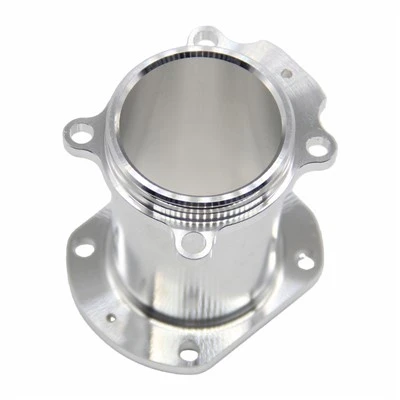
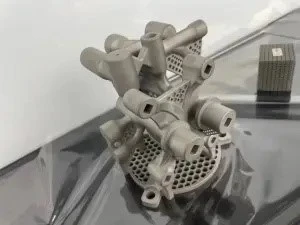
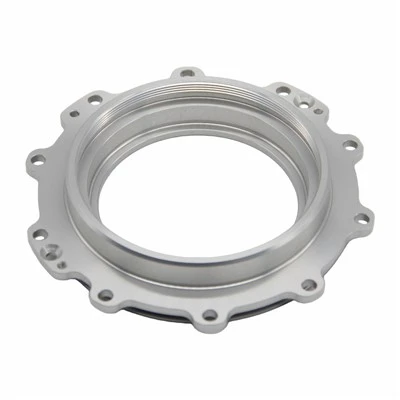
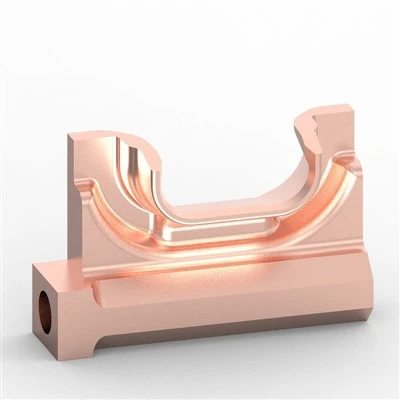
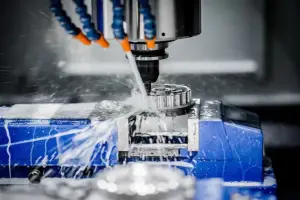
Three-axis machines handle many prismatic parts. Complex contours, deep pockets, and features that need multiple orientations usually demand 5-axis. Ask whether the shop can finish the part in one or two setups. Fewer setups reduce stack-up error and shorten lead time. When your design involves compound angles or organic surfaces, look for proven experience with 5-Axis Aerospace Components. Request photos or sample reports of similar geometry. From the shop floor: if they cannot show you a recent complex part run on their 5-axis machines, keep looking.
Material Knowledge and Traceability
Common aerospace alloys include aluminum 7075 and 6061, titanium Ti-6Al-4V, and nickel alloys such as Inconel. The supplier should know the machining characteristics-work-hardening, heat generation, tool wear-and maintain full heat-lot traceability from mill certificate through the finished part. Ask to see a sample material certificate package and how the heat number travels through the shop traveler.
Inspection Ability
CMM capability, calibrated instruments, and the ability to produce First Article Inspection reports (typically AS9102) are non-negotiable for most programs. Request a redacted sample inspection package that includes a ballooned drawing and measured results. A shop that only offers "we check the critical dimensions" is not prepared for aerospace documentation expectations.
DFM Feedback
A strong Aerospace Prototype Machining partner reviews the model and drawing before quoting and flags issues: thin walls that will chatter, deep pockets that need special tooling, or tolerances that drive unnecessary cost. Good feedback arrives early, not after the part is already on the machine.
Lead Time and Quick-Turn Ability
Prototype lead times typically range from a few days for simple aluminum parts to one or two weeks for complex titanium or multi-setup work, depending on material availability and inspection scope. Ask for realistic schedules on parts similar to yours and whether the shop can support true quick-turn when the program needs it. Clarify what "expedite" actually costs and whether it affects quality documentation.
Communication and IP Protection
Expect clear English communication, reasonable response times, and a willingness to sign an NDA. Prototype work often involves iterative design changes; the supplier should handle revision control cleanly and protect your intellectual property. Test responsiveness during the quoting stage-it is usually a reliable indicator of later performance.
Red Flags: When to Walk Away
Quotes that arrive unusually fast with almost no questions about tolerances, material specs, or inspection requirements.
Refusal to share sample certificates, inspection reports, or OASIS verification details.
Vague answers about inspection methods or "we inspect everything to print."
Claims of "we can make anything" without evidence of similar aerospace work.
Pressure to skip First Article Inspection or material traceability "to save time."
These signals usually predict problems later. Experienced buyers treat them as walk-away criteria, not negotiation points.
What About Price? How Aerospace Prototype Machining Cost Works
Price is driven by material, number of setups, tolerance tightness, inspection depth, surface finish requirements, and quantity. Titanium and Inconel cost more to machine than aluminum because of lower cutting speeds and higher tool wear. Tight positional tolerances or true-position callouts increase both programming and inspection time. Full AS9102 packages and special-process certifications add documentation cost.
A simple comparison helps:
|
Factor |
Low-price supplier risk |
Qualified supplier approach |
|
Material certs |
Generic or incomplete |
Full heat-lot traceability |
|
Inspection |
Spot checks only |
CMM + FAI package |
|
Setups |
Multiple, higher stack-up risk |
Optimized 5-axis where beneficial |
|
Hidden cost |
Rework, delays, extra incoming inspection |
Higher unit price, lower total program cost |
The lowest quote is rarely the lowest total cost when a prototype fails and the program slips. This is especially true for custom aerospace prototype parts wholesale volumes that later transition into small production runs.
Case Study: Typical Failure Pattern vs. Controlled Process
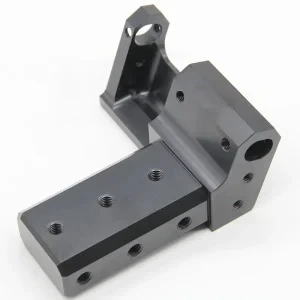
A common pattern looks like this. A customer needs a titanium structural bracket with tight positional tolerances for a flight-test assembly. The first supplier delivers parts that pass a basic dimensional check but fail assembly fit-up. Heat-lot numbers on the material certificates cannot be linked to the finished parts, and the inspection package lacks a complete ballooned drawing. The lot is held. The program loses roughly three weeks while alternatives are sourced.
When the same part is placed with a stronger Aerospace CNC Milling Supplier, the process changes. The supplier reviews the model for manufacturability, confirms certified material availability, plans the work to minimize setups, and delivers a full inspection package with the first articles. The parts fit on the first assembly attempt. Incoming inspection clears without additional questions. Later iterations move faster because process knowledge and communication channels are already in place.
The difference is rarely the spindle time. It is the combination of traceability, inspection discipline, and early DFM feedback.
Industry Context for Buyers
Demand for reliable aerospace machining capacity remains strong as production rates recover and new programs advance. Buyers who treat supplier selection as a risk-management exercise-rather than a pure price exercise-consistently see fewer surprises in prototype and early production phases. Choosing partners that already operate under AS9100 discipline reduces the learning curve and protects schedule.
FAQ
Q: How do I choose an aerospace CNC milling supplier?
A: Verify current AS9100D certification, review machine capability against your geometry, confirm material traceability practices, examine sample inspection reports, and test communication responsiveness. Prioritize total risk reduction over the lowest unit price.
Q: What certifications matter most for aerospace prototype machining?
A: AS9100D is the baseline for most programs. ISO 9001 alone is usually insufficient. Nadcap becomes relevant when special processes are required. Always confirm the certificate is current and the scope matches the work.
Q: How long does aerospace CNC prototyping usually take?
A: Simple aluminum prototypes can ship in a few days to a week. Complex titanium or multi-setup parts with full documentation commonly take one to two weeks or longer, depending on material lead time and inspection requirements. Always confirm the schedule against parts similar to yours.
Q: Can a China-based aerospace machining factory meet export and quality requirements?
A: Yes, provided the factory holds current AS9100D certification, maintains proper material traceability, can supply complete inspection documentation, and has experience with export controls and customer-specific quality clauses. Verify these points directly rather than assuming location determines capability.
Q: Should I buy prototypes and production parts from the same manufacturer?
A: Often yes. Using the same CNC prototype supplier China or regional partner for both stages preserves process knowledge, reduces the need for new First Article packages, and shortens the ramp to production. Confirm the supplier has both quick-turn prototype capacity and scalable production systems.
Ready to Talk About Your Prototype?
If you are evaluating Prototype CNC Milling Services for aerospace work, start by sharing the model, critical tolerances, material specification, and required documentation level. A capable aerospace machining factory will respond with clear questions, realistic lead times, and a transparent view of how they will control quality. The right Aerospace CNC Milling Supplier turns the next prototype into a confident step forward rather than another schedule risk.