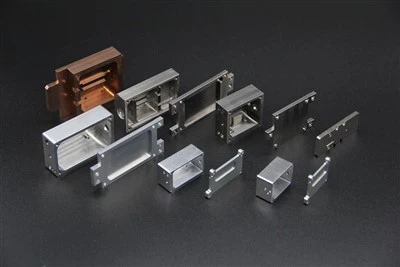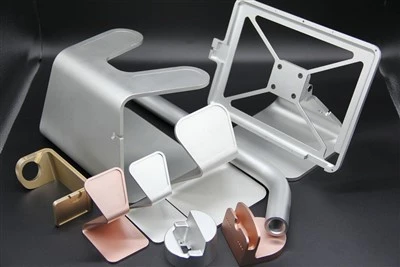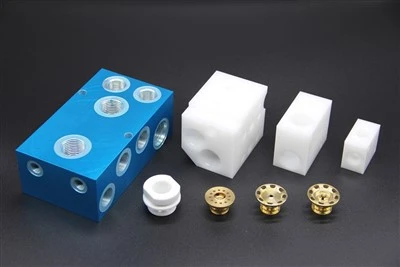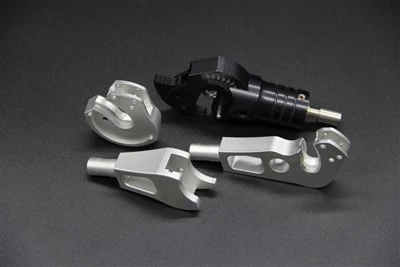
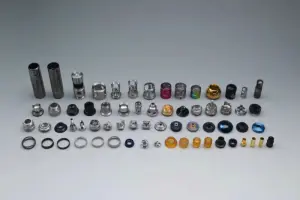
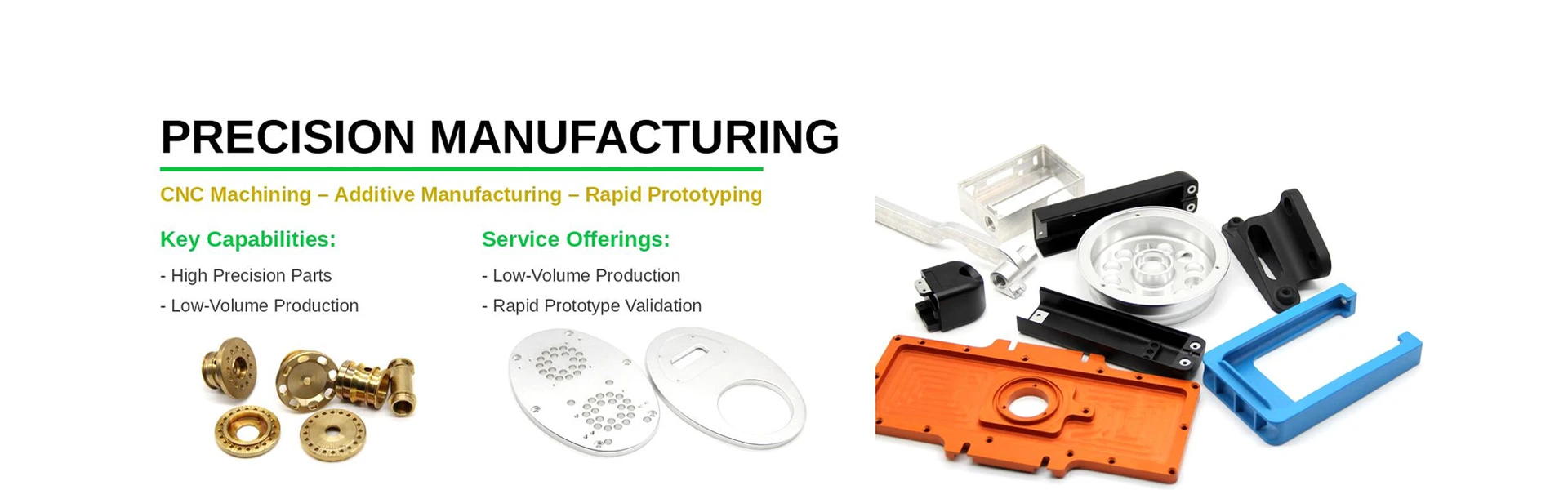
Sample parts can look perfect. The finish is clean, the holes line up on the bench, and the quote looks sharp. Then batch production starts, and assemblies stop fitting as cleanly. One lot needs extra hand work. The next lot drifts in a different direction.
That is the real sourcing problem. Selecting a robotics CNC milling parts manufacturer for batch work is not about whether a shop can make one good part. It is about whether the process still holds after the sample glow wears off.
Why Pretty Samples Mislead Buyers
Most buyers get burned the same way: they compare price, approve a nice sample, and assume production will behave. It often does not.
A one-off can be nursed through soft jaws, extra measurement, and careful hand finishing. Batch work exposes the weaker parts of the system - tool wear, setup variation, inconsistent deburr, and inspection that only happens at the end. If those controls are thin, custom robotics CNC milling parts start to vary just when the line needs them to stay interchangeable.
What Batch Robotics Parts Actually Need
Robot brackets, housings, joint interfaces, and EOAT components usually live or die on relationships: hole patterns, datum faces, stack-ups, and repeatable fit. A single dimension may still be "in tolerance" while the assembly feel gets worse.
So when people ask how to keep batch consistency in CNC milling, the useful answer is not "buy a better machine." It is locked workholding, defined tool-life limits, measured critical features, and a release process that prevents quiet process drift.
What to Check Before You Commit
Equipment should match the geometry, not the brochure.
If the part needs multiple faces held in tight relation, ask how many setups are involved and whether 4-axis or 5-axis work reduces restacking risk. A flat bracket may be perfectly happy on 3-axis. A multi-face interface often is not. A capable robot parts CNC machining factory can explain that choice without hiding behind machine brand names.
Inspection only counts when you know what is measured.
Ask which features are checked on every piece, which are sampled, and what method is used. "Full inspection" sounds reassuring until you find out it means a quick caliper pass on easy dimensions.
Material control still matters in robotics.
Not every robot part carries implant-level documentation, but alloy grade and lot identity should not be vague. When parts repeat for months, traceability is how you isolate a problem instead of guessing across mixed material lots.
First-article approval should freeze more than a PDF.
A useful first article confirms the process, not just the sample. After approval, fixtures, critical tools, speeds, and inspection points should stay stable. If the shop treats first article as a temporary performance, batch drift is already waiting.
Consistency needs evidence.
Ask what changes between lot 1 and lot 10. Tool replacement rules, in-process checks, and retained setups are practical answers. Slide decks are not.
DFM feedback is a live test.
Send the real drawing before you award the job. Specific notes on unstable datums, fragile walls, or tolerance stacks are a positive sign. "No problem, we can make it" with zero questions is not.
Change control separates prototype shops from batch suppliers.
Drawing revisions happen. Quantities step up. Coatings get added. The supplier should have a clear way to acknowledge changes and stop mixed-revision shipments.
Documents Worth Requesting
When you source wholesale robotics CNC milled components, ask what comes with the parts:
Critical-dimension results by lot
First-article format for new or revised parts
Material certificates where required
Deburr or surface confirmation when specified
Lot identity linked to inspection records
How to verify a CNC machining supplier is often simpler than buyers think: request a sample package and see whether the records are complete, consistent, and written for real production use.
Red Flags That Show Up Early
A sample approved with no discussion of production fixturing.
A quote much lower than the field with almost no process detail.
No sample inspection format.
No answer on tool-life or in-process checks.
Technical questions answered only with sales language.
Any one of these can be survivable. Several at once usually means the batch phase will get noisy.
Case Snapshot
In one robotics assembly program, milled interface brackets fit well as samples and then started causing alignment hassle in later lots. The hole pattern was not wildly out. It was just inconsistent enough to slow builds.
The fix was not a new material or a different machine brand. Fixturing was locked, roughing and finishing were separated more cleanly, and the critical pattern moved to a defined inspection frequency. After a minor drawing update, first-article revalidation was required before volume resumed. Assembly stoppages tied to those brackets dropped. The part stayed complex. The process stopped improvising.
What Strong Custom Capability Looks Like
A manufacturer is ready for batch robotics work when one conversation covers four points:
How the part will be held and machined at volume
Which features carry real risk
What will be measured on every lot versus sampled
What documentation and lead time follow from that plan
If those answers are clear, reviewing their robotics CNC milling parts capability becomes much easier. You are no longer buying a sample. You are buying a controlled method.
FAQ
How do I choose a robotics CNC milling parts manufacturer for batch production?
Prioritize process control, inspection discipline, traceability, first-article lock-down, and lot-to-lot consistency over sample appearance or price alone.
How can I verify a CNC machining supplier before a batch order?
Ask for sample inspection reports, material-cert practice, first-article format, relevant equipment strategy, and DFM comments on your actual drawings.
How do you keep batch consistency in CNC milling?
Lock fixtures and critical settings after first-article approval, control tool life, measure key features on a defined cadence, and block undocumented process changes.
What documents should come with batch robotics parts?
Critical-dimension results, lot identification, material certificates when required, first-article reports for new or revised parts, and any agreed surface or finishing records.
Can one supplier handle both prototypes and batch production?
Yes. The key is whether they transition from hand-finished samples to a locked production route before volume begins.
A good robotics CNC milling parts manufacturer makes batch parts boring in the best way: same fit, same records, fewer surprises. If you are moving robot components from sample approval into pilot or ongoing supply, share drawings, quantities, critical tolerances, materials, and the inspection package you expect. The quality of the process response will tell you more than a polished sample photo ever will.