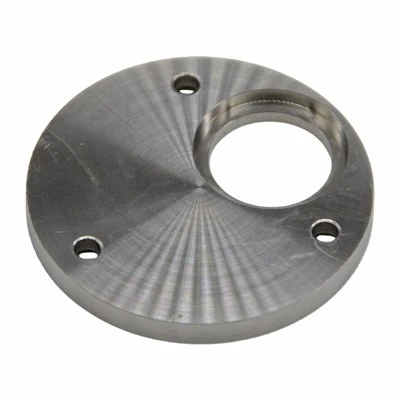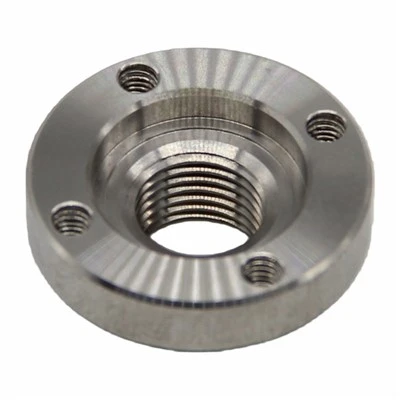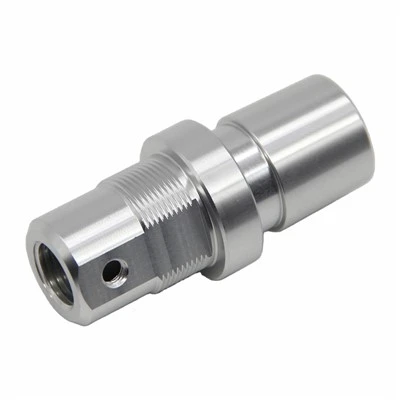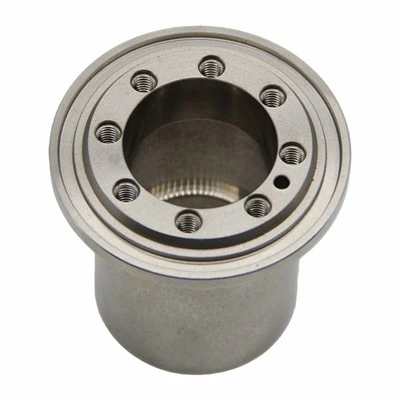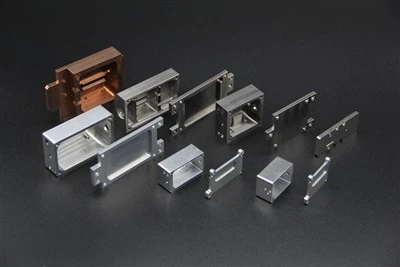
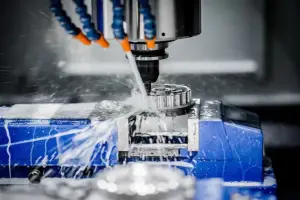
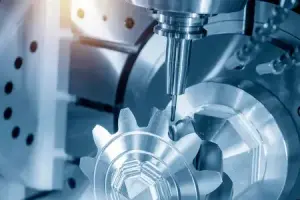
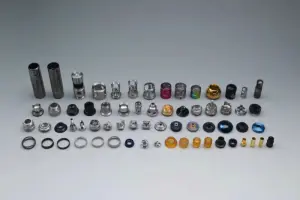

For 5-Axis Automotive Milling Parts, the material you choose decides precision, cycle time, scrap rate, and final cost. This guide covers the materials that actually show up in real automotive CNC work-aluminum alloys, steels, engineering plastics, and copper-and shows how the right choice turns into reliable 5-Axis CNC Machining Parts and usable CNC Milled Prototypes.
Why Material Selection Makes or Breaks Your Automotive Project
Material choice hits four outcomes hard:
Precision and process capability. Softer, more machinable materials hold tighter tolerances more consistently on 5-axis machines.
Cost structure. Raw material is only 20–40% of the total. Machining time, tool life, and scrap often decide the real number.
Lead time. Harder alloys force slower feeds, more tool changes, and sometimes extra stress relief.
Fatigue life and field performance. An under-specified material fails in service. An over-specified one wastes money and weight.
Scrap rates in automotive CNC commonly sit between 3–8% when the material does not match the process. Total cost differences of 15–50% between similar geometries are routine. The best 5-axis strategy always starts with the right material.
Aluminum Alloys - The Practical Choice for Lightweight Auto Parts
Aluminum is still the default for most 5-Axis Automotive Milling Parts when weight matters-especially EV structures, battery housings, and thermal components.
6061 vs 7075
|
Property |
6061-T6 |
7075-T6 |
|
Tensile strength |
~310 MPa |
~570 MPa |
|
Yield strength |
~276 MPa |
~500–505 MPa |
|
Hardness (HB) |
~95 |
~150 |
|
Machinability |
Excellent |
Good (higher tool wear) |
|
Corrosion resistance |
Excellent |
Moderate |
|
Weldability |
Excellent |
Poor |
|
Relative cost |
Lower |
30–50% higher |
6061-T6 is the everyday workhorse. It machines cleanly, resists corrosion well, anodizes evenly, and keeps tool life long. Use it for brackets, housings, fixtures, and the majority of structural prototypes.
7075-T6 delivers nearly twice the strength at roughly one-third the density of steel. It belongs on high-load suspension uprights, hubs, and motorsport parts where every gram and every MPa counts. Expect slower feeds, tighter toolpath planning, and higher material cost.
When not to choose 7075: If the part does not need the extra strength, the higher price and reduced corrosion resistance are pure waste. Many teams default to 7075 out of habit and later switch back to 6061 after stress analysis.
Typical applications
EV battery trays and structural enclosures (6061)
Heat sinks and cooling plates (6061)
High-performance suspension and chassis links (7075)
Lightweight CNC Milled Prototypes and production brackets
Five-axis machining helps here. Complex undercuts and multi-face features can be finished in fewer setups, which protects the accuracy aluminum's low cutting forces already support.
Steel and Stainless Steel - When Strength Outweighs Weight
When absolute strength, wear resistance, or high-temperature performance is required, steel is the logical move.
Common grades include carbon steels (1018, 1045), alloy steels (4140), and stainless (303, 304, 316, 17-4 PH). These suit transmission components, high-load fasteners, shafts, gears, and structural members under cyclic loading.
Steel machines slower than aluminum-often three to five times longer cycle times-and wears tools faster. Stainless grades work-harden and need rigid setups. Five-axis capability reduces the number of fixtures, which cuts stack-up error on complex geometry. Heat treatment and coating are usually required after machining.
When steel is the wrong call: If the part must stay light or if corrosion resistance without coating is critical, aluminum or stainless with proper surface treatment will usually win on total cost and performance.
Engineering Plastics & Copper - Niche but Critical Uses
Engineering plastics for CNC Milled Prototypes
Plastics work well for rapid functional prototypes, low-friction parts, and non-structural weight-sensitive components.
POM (acetal): High dimensional stability, low friction, clean machining. Good for gears, sliders, and bushings.
ABS and PC: Cost-effective for appearance and fit/form prototypes, interior validation parts, and housings.
PEEK: Used when continuous temperatures exceed 150–200 °C or chemical resistance is non-negotiable.
CNC milling of plastics often delivers tighter tolerances and better surface finishes than early injection-molded prototypes, which is why they remain a staple of CNC Milled Prototypes.
Copper alloys
Copper and its alloys (C110, C101, free-cutting brass C360) are chosen for electrical and thermal performance. Typical uses include busbars, high-current connectors, and heat spreaders in EV power electronics. Pure copper is gummy and needs sharp tooling. Free-cutting brass machines far more easily when the conductivity requirement allows it.
Case Study - A Real Material Switch That Changed the Numbers
An automotive supplier brought a complex 5-axis structural bracket originally specified in 7075-T6. Quotes were high, tool life was short, and early samples showed residual stress distortion.
After reviewing the actual load cases, the machining partner recommended switching to 6061-T6 with minor local reinforcement in the highest-stress zones. Results:
Material cost dropped about 35%
Cycle time fell 20–25%
Tool consumption dropped sharply
Scrap rate moved from mid-single digits to under 2%
Delivery improved by several days while still meeting every functional requirement
The part went into production as a reliable, cost-effective 5-Axis Automotive Milling Part. The takeaway is simple: start with the minimum material that satisfies the engineering requirements, then let process capability do the rest.
How to Choose the Right Material for Your Next CNC Project
Use this checklist before you request quotes:
Load and environment - static or dynamic loads, temperature range, corrosion, fatigue cycles.
Weight priority - critical for EVs and performance vehicles → lean toward aluminum or plastics.
Precision and surface needs - tighter tolerances favor more machinable materials (6061, POM, free-cutting brass).
Volume and budget - prototypes can absorb higher unit cost; production runs reward machinability and material availability.
Secondary operations and certifications - welding, anodizing, heat treatment, IATF 16949 or customer-specific PPAP.
Supply chain reality - stock availability of the required form and lead time for certified material.
Working with an experienced CNC machining manufacturer or CNC prototype factory that can challenge the material call-and also handle custom automotive milling parts wholesale-reduces risk more than any single machine feature. The better shops treat material selection as joint engineering, not just a line on the quote.
Quality Expectations in Automotive CNC
Automotive CNC work increasingly requires documented process control, full material traceability, and compliance with standards such as IATF 16949. Buyers evaluating suppliers look for proven experience with both lightweight aluminum 5-Axis CNC Machining Parts and higher-strength steel or specialty alloys. Consistent toolpath strategy, in-process measurement, and honest material advice remain the practical difference between reliable delivery and repeated firefighting.
FAQ
Q: What's the best material for automotive CNC prototypes?
A: 6061-T6 aluminum is the most common starting point for metal prototypes because of its balance of strength, machinability, and cost. POM is frequently chosen for functional plastic prototypes that need low friction and dimensional stability. Match the material to the actual test conditions the prototype must survive.
Q: Is aluminum or steel better for 5-axis automotive parts?
A: Aluminum wins when weight reduction, thermal conductivity, or faster machining matter (most EV structural and housing parts). Steel wins when absolute strength, wear resistance, or high-temperature performance is required. The load case and vehicle architecture decide-not a general rule.
Q: How do I choose a reliable CNC machining manufacturer?
A: Look for demonstrated 5-axis capability on automotive geometries, clear material expertise across aluminum, steel, plastics, and copper, quality systems that match automotive expectations (IATF 16949 or equivalent discipline), and transparent DFM feedback. Ask for sample parts or case studies that match your geometry and volume range. A good CNC prototype factory will also discuss when a cheaper material is actually the better engineering choice.
Q: Can I switch materials late in development to cut cost?
A: Yes, but only after confirming the new material still meets strength, fatigue, thermal, and regulatory requirements. Early collaboration with the machining partner prevents expensive late changes and keeps both prototype and production schedules intact.
The right material is still the highest-leverage decision in automotive CNC. Get it right and 5-axis machines deliver precise, cost-effective 5-Axis Automotive Milling Parts and CNC Milled Prototypes on schedule. Get it wrong and even the best equipment cannot fully recover the project.