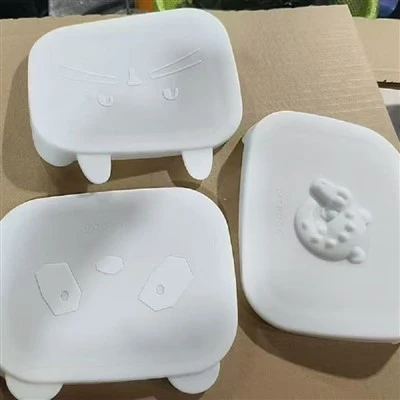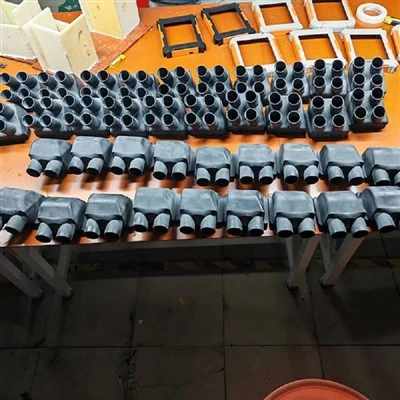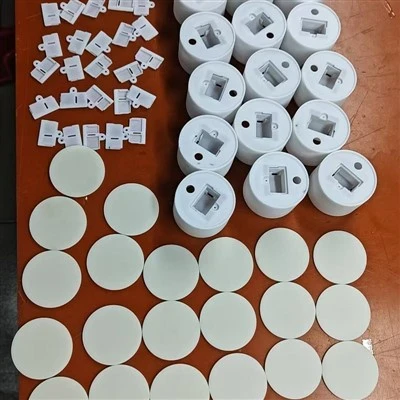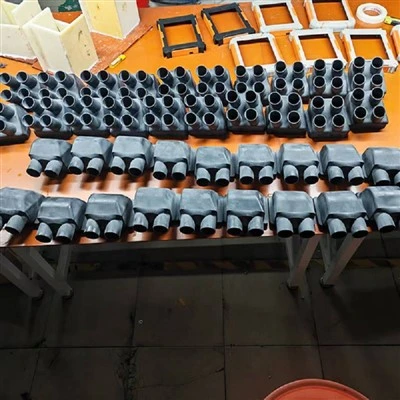

Core Capabilities
Our color-matched plastic parts deliver engineering-grade color control advantages:
ΔE ≤ 1.0 (CIE Lab) -
far exceeding the industry standard of ΔE ≤ 2.0
01
Full color system compatibility -
Pantone, RAL, NCS, and any physical color sample provided by the customer
02
Outstanding batch consistency -
ΔE ≤ 0.5 within the same batch; formula locked across batches
03
Diverse surface effects -
gloss, matte, leather grain, metallic, and pearlescent finishes, all color-accurate
04
Physical color panel confirmation -
first-article color panel signed off by the customer before mass production begins, eliminating risk
05
Color Matching Process
Color matching is our core technical competency. We support a complete Pantone color matching and RAL color matching workflow:
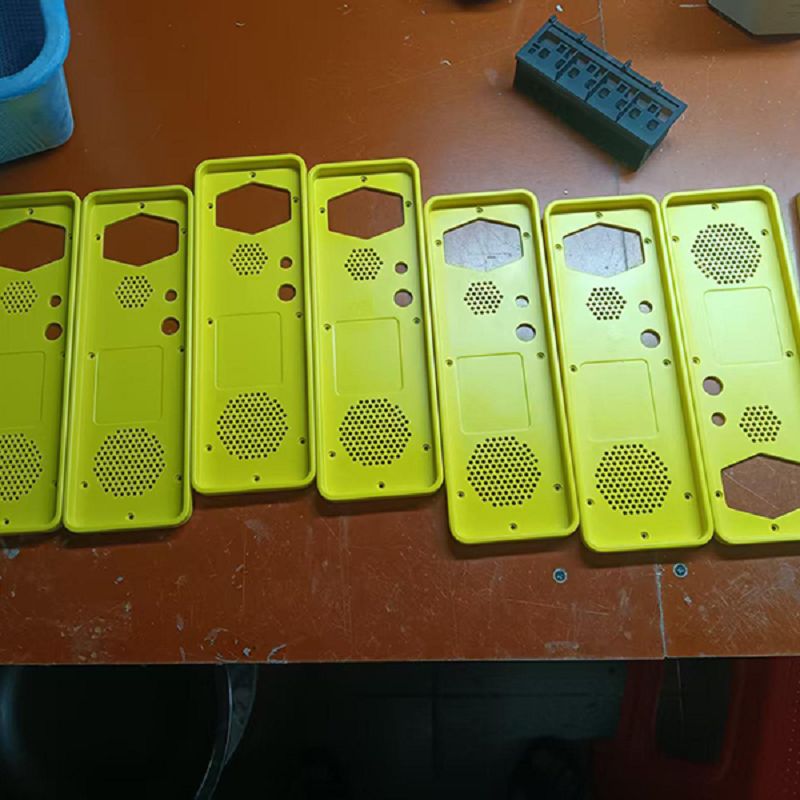
Color code systems: Pantone TCX/TPX/PMS, RAL Classic/Design, NCS, Munsell, and customer-supplied physical sample scanning
Color formulation: High-precision masterbatch color matching using a computer-aided color matching system (CCM) for accurate pigment ratio calculation
Acceptance criteria: D65 standard light booth visual assessment + spectrophotometer measurement, with strict ΔE tolerance control
Confirmation workflow: Digital color match → sample injection molding → physical color panel delivery → customer sign-off → formula file locked
Material & Color Compatibility
Different plastic materials affect color expression significantly. The table below provides engineering-level data on color compatibility across common materials:
|
Material |
Color Range Compatibility |
Transparency Influence |
Filler Effect (e.g., GF) |
Masterbatch Heat Resistance Required |
Typical Color Challenges |
|
**ABS** |
Excellent (full spectrum) |
Opaque |
Minimal |
Standard |
Dark colors harder to achieve uniformly |
|
**PP** |
Good |
Opaque |
Reduces saturation |
Standard |
Risk of pigment bleeding |
|
**PA (Nylon)** |
Good |
Translucent |
Reduces saturation |
High-temp masterbatch needed |
High-temp processing limits pigment choices |
|
**PC** |
Excellent |
Translucent to clear |
Moderate |
Standard |
Ideal for transparent colored parts |
|
**PC/ABS** |
Excellent |
Opaque |
Moderate |
Standard |
Balanced performance overall |
|
**TPU** |
Moderate |
Translucent |
Minimal |
Standard |
Achieving uniform color in elastic parts |
Material transparency, filler content, and processing temperature all affect final color expression. We provide targeted UV-resistant, color-stable formulation proposals based on your detailed specifications.
Surface Treatment & Color Appearance
Surface treatment significantly alters visual color effect. Key considerations:
Mold texture:
A smooth SPI A-1 surface makes colors appear brighter and more saturated; leather-grain textures (e.g., MT-11020) produce darker, softer appearances from the same color formula
Painting vs. in-mold coloring:
Painting achieves the most precise Pantone match for complex effects; in-mold coloring is more durable and environmentally friendly under matte or gloss finishes
Electroplating and IMD:
Electroplating covers substrate color; IMD (In-Mold Decoration) integrates colored graphics and surface finish in a single molding step
Two-shot / two-tone molding:
Precise color seam control for visually harmonious multi-color parts
We provide real before/after comparison photos for different surface treatments on the same part, helping customers predict final appearance before committing to production.
Batch Production Consistency
Color drift between batches is the top concern for buyers. We ensure plastic part color consistency through a rigorous system:
Every color formula is assigned a unique ID, archived long-term, and reproduced with exact accuracy
Strict control over masterbatch brand and lot - preventing color deviation from material switching
All injection process parameters (melt temperature, back pressure, cooling time) are locked and recorded
First-article spectrophotometer measurement for every batch, plus in-batch random sampling
Color formula files retained for a minimum of 5 years, ensuring batch-to-batch reproducibility even years later
In mass production, our inter-batch ΔE variation is typically 0.3–0.7 - well below the industry standard of ΔE ≤ 2.0.
Application Scenarios
|
Industry |
Application |
|
**Consumer Electronics** |
Accurate brand color reproduction across smartphones, headphones, and multi-product families |
|
**Automotive Interior** |
A-surface color and tactile consistency meeting strict OEM standards |
|
**Home Appliances** |
Unified brand color families across dishwashers, refrigerators, and microwave enclosures |
|
**Medical Devices** |
Color-coded functional channels for safety and regulatory compliance |
|
**Children's Toys** |
REACH-compliant masterbatch with bright, safe, consistent colors |
|
**Industrial Equipment** |
ISO 3864 safety color standards for clear visual warning panels |
|
**Outdoor & Sports** |
UV-resistant, colorfast plastics maintaining color stability after prolonged sun exposure |
|
**Smart Home** |
Whole-home product color coordination for unified brand visual experience |
FAQ
Hot Tags: color matched plastic parts, China color matched plastic parts manufacturers, suppliers, factory