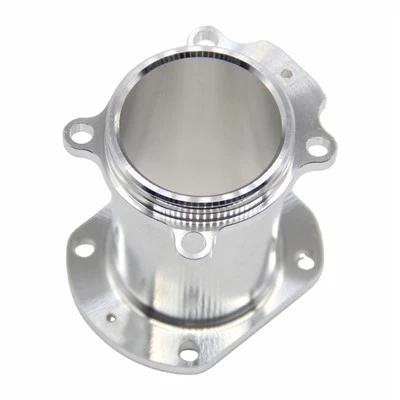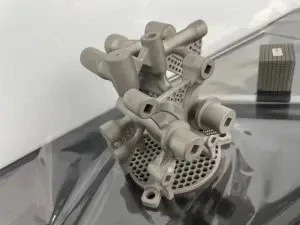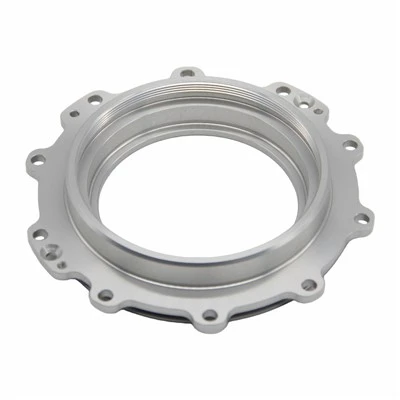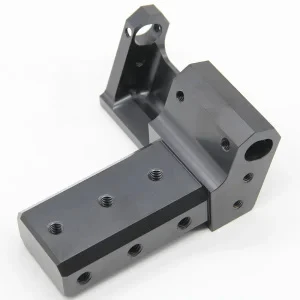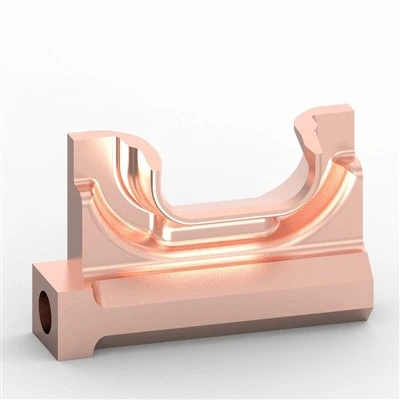


A pump manufacturer in the Netherlands sent one drawing to four suppliers. A 6061 aluminum manifold, 50 pieces. Quotes came back at 41, 52, 68 and 96 euros per piece. Same alloy, same tolerances, same finish callout. He asked which shop was padding the number. None of them were.
That spread is normal in metal cnc machining. It is rarely greed. It is how each shop priced the work it could not see from the drawing.
What Actually Sits Inside A Metal CNC Machining Quote
Every number you receive is five costs stacked together. Material, machining time, fixturing, inspection, margin and risk. Most shops will not separate them unless you ask.
Material is the line buyers think they understand and usually do not. A quote that says aluminum tells you nothing. 6061-T6 plate is a different price from 7075 bar, and both differ again from 6082 with a mill certificate attached. On the manifold above the material line was 7 euros. The 96 euro quote had priced 7075, because that was what sat on the shop's shelf.
Machining time holds the real money. In metal cnc machining the cycle time depends on how many setups a shop can collapse and how much of the part needs a five-axis move. Two shops given the same drawing can land on 18 minutes and 44 minutes per part and both be honest, because one has the right fixture and the other clamps four times.
Fixturing is invisible until you ask. A soft jaw set costs the same whether you order 50 or 500. Spread across 50 pieces, it can be 15 percent of the piece price.
Why Three Shops Quote The Same Drawing Differently
Ask for a breakdown and most shops go quiet. These are the four things that actually differ in a metal cnc machining quote.
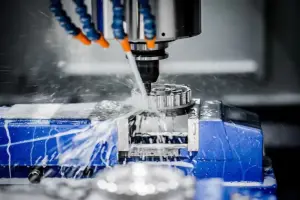
Machine selection comes first. A part that fits one vise on a 3-axis mill can often run on our 5-axis machining at a lower cycle time and a higher hourly rate.
Inspection intent matters as much. A shop that checks with calipers and ships prices differently from one that runs a CMM. If your incoming inspection is strict, the second quote is the honest one.
Capacity at the time of quoting is the third. A shop with open spindle hours on Thursday will sharpen a number to fill them. The same shop three weeks later, loaded, will not.
Alloy availability is blunt. If the grade you specified is not on the floor, someone has to buy it, and small buys carry a surcharge that lands in your price.
Stock Removal Rate: The Line Nobody Explains
An engineer in Texas sent a bracket for metal cnc machining, 200 pieces, 304 stainless, with a starting block of 120 x 90 x 40 mm. The finished part weighed 310 grams. The block weighed 3.1 kilograms. He was paying to turn 90 percent of his material into chips and had no idea.
That is the most controllable cost in metal cnc machining, and it lives in your CAD file, not in the supplier's rate card.
A near-net forging, a plate sized closer to the part, a design that starts from bar instead of a block. Each of those changes the quote before anyone touches a machine. On that bracket, moving to a 45 mm plate removed 22 minutes of roughing per part.
The effect is harsher on stainless steel CNC machining, where the material cuts slowly and a poor starting form can double the finished cost.
How Batch Size And Tolerance Rewrite The Unit Price
Batch size does not scale a metal cnc machining price down in a straight line. It steps. At one piece you are buying programming, fixturing and a setup. At 20 pieces the setup is spread and the price falls hard. Between 50 and 200 the line flattens. Past 500 the shop quotes material at mill pricing and the curve bends again.
Tolerance moves the price on a different curve, and it bites late. Every dimension you can hold with a standard endmill and a normal finish pass is cheap. The moment a feature needs its own finishing strategy, a different tool, or a separate inspection step, the cost stops being linear. That is where most of the spread in metal cnc machining quotes comes from.
A die shop in Germany learned that on a fixture plate. Twenty-two dimensions carried a plus or minus 0.02 mm callout. Four of them governed how the plate located. We quoted it twice, once as drawn and once with the eighteen non-critical callouts opened to 0.1 mm. The second version cost 38 percent less and performed identically. Those eighteen numbers were defaults copied from an old template, not engineering requirements.
If you cannot say which tolerances are functional and which are habitual, you are paying for the habitual ones.
Quick answers on metal CNC machining quotes
What is the biggest single driver of a metal cnc machining quote? Machining time, and machining time is set by setup count and stock removal more than by the alloy. A simple part with three setups will outprice a complex part with one.
Why is the cheap quote sometimes the expensive one? Because the shop never priced the inspection or the fixturing. Those costs come back as scrap, rework, or a part that fails your incoming check.
Should I ask for a cost breakdown? Yes. A shop that will not explain which line is material and which is time is either reselling the job or has not costed it properly.
How much does a 50-piece run cost against 5 pieces? The per-piece price typically drops by half or more, because programming and fixturing spread across ten times as many parts.
Does a tighter tolerance always cost more? Only when it forces a new process, tool or inspection step. A tolerance inside the machine's natural capability, on a feature you were already finishing, is nearly free.
Can you quote metal cnc machining from a model alone? For simple prismatic parts, sometimes. For anything with a functional tolerance, send the 2D drawing as well, or the quote will carry assumptions you never agreed to.
Where To Send Your Drawing
Send the 3D model, a 2D drawing with the critical tolerances flagged, your quantity and your target date. What comes back is a metal cnc machining quote that shows what you are paying for, and if a callout is driving your price when it does not need to, you hear that before you order.
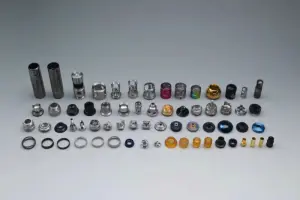
Our CNC machining services cover aluminum, stainless, titanium, brass, POM and engineering plastics, from a single prototype to production batches, with inspection and documentation in house. Send the files through our inquiry form and the numbers come back with the reasoning attached.