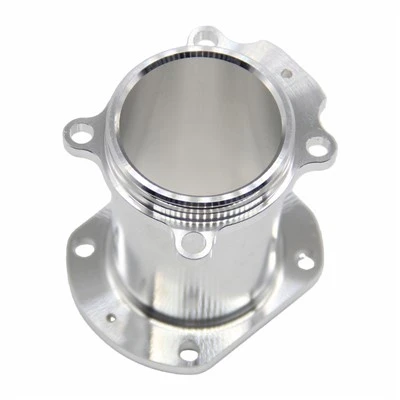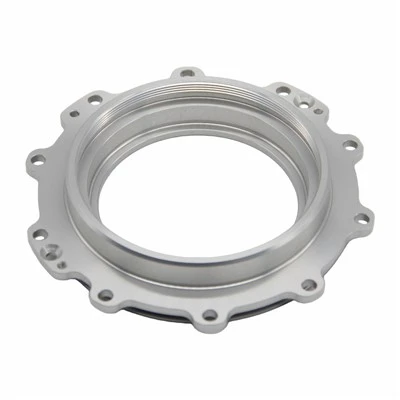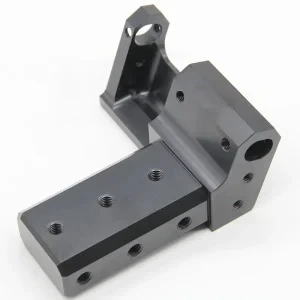

A product engineer in Austin sent the same aluminium bracket drawing to three CNC machine shops last year. Shop one replied in a day with a price and nothing else. Shop two asked for a 3D file, then said the drawing could not be made without a redesign. Shop three asked him two questions, what tolerance the part really needed and how many pieces he planned to run. He went with shop three, and the bracket shipped in eleven days. The difference was not the machine, it was the questions they asked before the quote. That is the real test of a CNC machine shop, how it talks to you before it cuts your part.
Every week we receive drawings that carry two or three times more tolerance than the application needs. Some engineers pay for that without asking. Buyers who know what to ask save 15 to 20 percent on the first order, and most of it happens before any material is cut. This guide is about those questions.
What a CNC Machine Shop Actually Does (and What It Does Not)
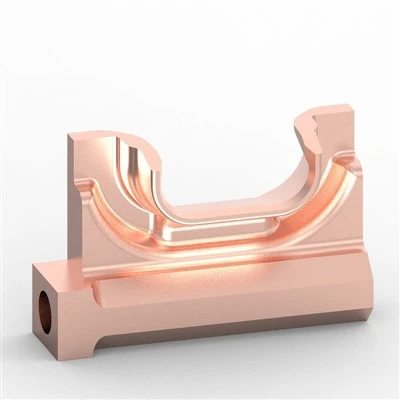
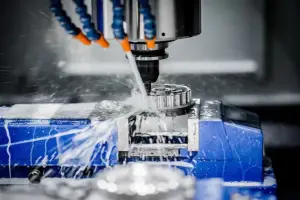
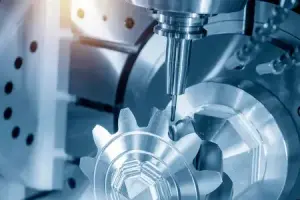
A CNC machine shop is a facility where computer-controlled milling, turning, and related processes turn raw metal or plastic into finished parts from your drawings. That sounds simple. The differences between shops show up in the details, how many axes the machines have, how tight a tolerance they hold, whether they inspect every piece, and what happens when a part misses spec.
A good shop does more than cut. It reviews your drawing before quoting, flags features that will be hard to machine, and tells you when a standard thread or a thicker wall would cut your cost. A shop that only replies with a number is not doing the first half of its job.
Ask About the Machines Before You Ask About Price
Machines decide what a shop can and cannot make. Ask how many axes the machining centers have. A 3-axis mill handles most brackets and housings. A 5-axis machine cuts complex faces in one setup, which matters for parts with angled holes or curved surfaces. Ask what tolerances the shop holds in production, not what it claims in marketing. Ask about CMM inspection, because a shop that does not measure every critical dimension cannot prove its tolerance.
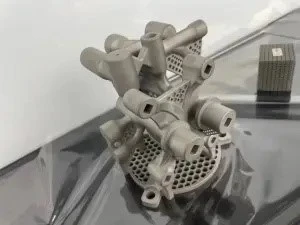
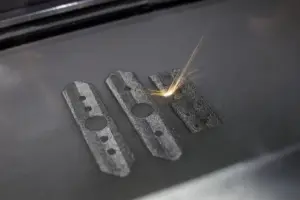
Ask about materials too. Aluminum 6061, stainless 304, brass, steel, titanium, and engineering plastics each machine differently. A shop that runs all of them is more useful than one that only does aluminum. We keep all of these materials on the floor, plus a metal 3D printing line for parts that are too complex to mill economically. That is why the machine list is the fastest way to judge a shop.
The Five Questions That Separate a Real CNC Machine Shop From a Reseller
Any website can call itself a CNC machine shop. Five questions cut through that fast.
Question one, can you change my drawing? A real shop reads your STEP file and proposes a DFM change, a thicker wall here, a standard thread there. A reseller forwards your file and waits for a factory to reply.
Question two, what exactly is in the quote? Ask for material, machine hours, finishing, and inspection line by line. Vague quotes hide rework.
Question three, how fast is a sample? We quote samples in one to two weeks with a CMM report. If the answer is "about a month," your project is filler work.
Question four, what happens if the part misses tolerance? The answer should be a rework procedure, not a refund argument.
Question five, who answers your emails? An engineer who quotes, or a salesman who forwards everything? Those five answers tell you more about a CNC machine shop than any tour of its website.
What a One-Stop CNC Machine Shop Saves You
A shop that only mills forces you to manage three more suppliers for turning, printing, and assembly. One customer in Germany needed a housing that combined a CNC-milled aluminium body with a vacuum-cast plastic cover and a metal 3D printed heat sink. Three suppliers meant three quotes, three lead times, and three arguments when something did not fit. We ran all three processes under one roof and shipped the assembled unit in one box.
That is the argument for a one-stop CNC machine shop. The drawing stays in one place, the tolerance chain stays in one place, and the blame never gets passed between vendors. For prototypes and small batches, which is what most of these jobs are, the difference in lead time is usually two to three weeks.
Quick Answers From a CNC Machine Shop Buyer's Perspective
These are the questions buyers actually ask a CNC machine shop before they place an order.
What files do you need? STEP or PDF drawings work. If you only have a worn sample, we measure and reverse it before quoting.
Is there a minimum order? One sample part. We machine a single piece for fit testing before you commit to a batch. Most first orders run one sample plus a pilot batch of 20 to 50 pieces, which keeps the risk low and the data honest.
How do you handle finish? Anodizing, bead blasting, powder coating, and assembly are all in-house.
Do you also 3D print? Yes, metal and plastic, including pure copper, which matters when the part is too complex for a mill.
What about casting? Vacuum casting covers low-volume plastic parts when the geometry does not justify injection molding.
Send Your Drawing and Get a Straight Answer
The best way to test a CNC machine shop is to send it a real drawing. Send us yours, a PDF or a STEP file, and we will reply with questions about tolerance and quantity before we quote, because that is how good parts get made. Our cnc machining services cover milling, turning, and 5-axis work. Our precision CNC machining page shows the inspection standards behind every part. Send the drawing through our inquiry page, and an engineer will answer, not a salesman.