The samples looked fine on first inspection. Then the production batch arrived: dimensions were within tolerance, but residual burrs remained in corners, and after cleaning some surfaces developed small rust spots. The entire lot was rejected by quality control and the schedule slipped another three weeks. Medical device parts made from stainless steel are not the same as ordinary industrial stainless components. The requirements for material grade, surface integrity, cleanliness and documentation are stricter. This article explains exactly what those requirements are for Stainless Steel CNC Milling of medical device parts and how to evaluate a supplier against them.
Why Stainless Steel Is the Go-To Material for Medical Devices
Stainless steel combines corrosion resistance, the ability to withstand repeated sterilization, adequate mechanical strength and reasonable cost. These properties make it the default choice for a wide range of non-implantable and short-term contact medical components, which is why Stainless Steel CNC Milling remains central to medical manufacturing.
Common grades used in medical work:
316L – The most widely specified austenitic grade for instruments, housings and fluid-contact parts because of its excellent corrosion resistance after passivation. This is the core material for most 316L Stainless Steel Machining.
304 – Lower cost, still corrosion-resistant, but generally less preferred than 316L for critical medical applications.
17-4 PH – Precipitation-hardening grade that can be heat-treated to high strength and hardness; used for load-bearing or wear-critical instrument components.
420 – Martensitic grade offering high hardness; sometimes used for cutting edges or wear surfaces.
For surgical implants the requirements are tighter still. Implant-grade material is specified to ASTM F138 or ISO 5832-1 (often called 316LVM, UNS S31673), which imposes stricter limits on residual elements and microstructure than commercial 316L. For most CNC Milled Medical Parts that are not permanent implants, properly certified commercial 316L with correct passivation is the practical choice.
Material Requirements: Not All Stainless Steel Is Medical Grade
Material certificates and lot traceability
Every lot of stainless steel used for medical components should arrive with a mill certificate that includes the heat number. That heat number must remain traceable through machining, finishing and final inspection. Without full traceability, regulatory audits become difficult and batch recalls more costly. This is a baseline expectation in professional Stainless Steel CNC Milling.
Biocompatibility basics
ISO 10993 provides the framework for biological evaluation of medical devices. For external-contact or limited-duration contact parts, the material itself (when properly finished and cleaned) is often acceptable, but the supplier must still be able to supply the relevant material documentation. Using ordinary commercial 316 instead of low-carbon 316L, or accepting material without heat-lot records, is a common and avoidable mistake in 316L Stainless Steel Machining.
Tolerance and Surface Finish Requirements
Critical features on medical parts-mating faces, sealing surfaces, pivot holes and alignment features-commonly require tolerances in the range of ±0.02 mm to ±0.01 mm, sometimes tighter. Surface roughness is equally important. Smoother surfaces (typically Ra ≤ 0.8 µm on critical external faces) are easier to clean and leave fewer sites for bacterial adhesion.
Four practical factors that determine whether those tolerances and finishes can be held consistently in CNC Milled Medical Parts:
Machine rigidity and thermal stability
Sharp, appropriate tooling and controlled tool life
Secure, low-distortion fixturing
Temperature control and adequate coolant
A shop experienced in Medical Device CNC Machining will treat these factors as process variables that must be controlled, not left to chance.
Why Stainless Steel Is Tricky to Machine
Anyone who has cut 316L knows it likes to fight back. Austenitic stainless steels work-harden rapidly, have relatively low thermal conductivity, and produce tough, stringy chips. If the tool rubs instead of cutting cleanly, the surface hardens and subsequent passes become much more difficult. Tool wear accelerates and dimensional control suffers. This is the core reason Stainless Steel CNC Milling requires more process discipline than aluminum or mild steel.
Practical countermeasures used in professional shops:
Sharp, coated carbide tools with positive geometry
Adequate depth of cut so the tool stays under any work-hardened layer
Controlled cutting speeds and feeds matched to the grade
Generous, well-directed coolant to remove heat and clear chips
Separate roughing and finishing strategies so the final pass removes only a small, consistent amount of material
These practices answer the common question "Why is stainless steel hard to machine?" and turn a difficult material into a controllable process for 316L Stainless Steel Machining.
Cleanliness, Deburring, and Passivation
Medical parts cannot leave the shop with burrs, sharp edges or free iron contamination. After machining, parts typically go through:
Thorough deburring (manual, brush, or abrasive flow as appropriate)
Precision cleaning to remove cutting fluids and particles
Chemical passivation according to ASTM A967 (nitric or citric acid methods) to restore the chromium-rich passive layer and remove free iron
ASTM A380 provides complementary guidance on cleaning and descaling practices. Proper passivation is what prevents the rust spots that often appear after cleaning or sterilization when free iron is left on the surface. Packaging must then protect the clean, passivated surface until the parts reach the customer. These steps are non-negotiable in high-quality Stainless Steel CNC Milling for medical use.
Quality Control and Certifications to Ask Your Supplier For
A serious medical CNC machining factory should be able to provide:
ISO 13485 certificate whose scope explicitly includes CNC machining
Material mill certificates with heat numbers for every lot
First-article inspection (FAI) report with full dimensional data
CMM or equivalent measurement reports for critical features
Certificate of conformance and, when required, passivation process records
Under the FDA Quality Management System Regulation (QMSR), which became effective in February 2026 and incorporates ISO 13485:2016 by reference, these elements of process control and traceability are expected for critical component suppliers. Medical Device CNC Machining is not complete without the documentation that proves the process is under control.
Stainless Steel Medical Parts That Passed Inspection
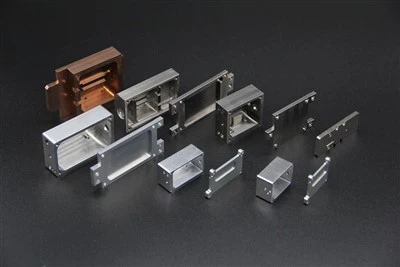
A medical-equipment customer needed a series of 316L stainless components with tight mating tolerances, burr-free edges and a reliably passivated surface. Early samples from a previous supplier showed residual burrs in internal corners and intermittent surface staining after cleaning. The parts were typical of many CNC Milled Medical Parts-functional interfaces that had to close cleanly, plus surfaces that would see repeated disinfection.
The selected stainless steel CNC milling manufacturer reviewed the drawings, adjusted the machining sequence to improve chip evacuation and edge quality, applied a controlled finishing strategy for 316L Stainless Steel Machining, and performed passivation to ASTM A967 with supporting documentation. Full material certificates and first-article CMM reports were supplied. Once the process was locked, subsequent batches met the dimensional, surface and cleanliness requirements without repeated rejections. The project demonstrated why treating Stainless Steel CNC Milling for medical use as a controlled, documented process prevents the most common sources of rejection.
(Exact quantities and measured yield figures are omitted because specific project data were not supplied for publication.)
How to Choose the Right Supplier
Use this short checklist when evaluating suppliers for medical CNC machining services:
ISO 13485 scope explicitly covers CNC machining
Material certificates with heat-lot traceability are standard
First-article and CMM reports are provided without extra prompting
Deburring, cleaning and passivation processes are defined and documented
The shop can handle both prototype quantities and wholesale stainless steel medical parts
DFM feedback is offered before production begins
Communication is clear and technical rather than purely commercial
A short trial order with full documentation remains the most reliable final filter. Working with a genuine custom medical CNC machining supplier or medical CNC machining factory reduces the risk of the dimensional, surface and cleanliness problems that commonly delay projects. Consistent capability in Medical Device CNC Machining and Stainless Steel CNC Milling is what separates reliable partners from those that create downstream quality issues.
FAQ
Q: What stainless steel is best for medical device parts?
A: For most non-implantable components, properly certified 316L is the practical standard because of its corrosion resistance after passivation. 17-4 PH is chosen when higher strength or hardness is required. Implant applications usually specify ASTM F138 / ISO 5832-1 material (316LVM).
Q: Is 316L really necessary for medical use?
A: For parts that will see repeated cleaning, disinfection or sterilization, low-carbon 316L is strongly preferred over standard 316 because of its better resistance to intergranular corrosion. Always request the mill certificate when specifying 316L Stainless Steel Machining.
Q: What tolerance can you hold on stainless steel medical parts?
A: Critical features are routinely held to ±0.02 mm or ±0.01 mm on modern equipment when the process is controlled. Tighter tolerances are possible but increase cost; they should be applied only where function requires them.
Q: Do medical parts need passivation?
A: Yes, in almost all cases. Passivation to ASTM A967 removes free iron and restores the passive chromium oxide layer, greatly reducing the risk of surface corrosion after cleaning or sterilization.
Q: What certifications should a supplier have?
A: ISO 13485 with CNC machining explicitly in the scope is the baseline expectation. Supporting inspection reports, material certificates and process records are equally important for any serious Medical Device CNC Machining partner.
Q: Can I order small batches before going to wholesale volume?
A: Yes. Most capable shops accept prototype and low-volume orders so form, fit, finish and documentation can be verified before scaling to wholesale stainless steel medical parts.
The difference between a rejected lot and a smooth project usually lies in the requirements that were (or were not) checked before the order was placed. Clear material specifications, realistic tolerances, controlled surface finish, proper passivation and complete documentation turn Stainless Steel CNC Milling of medical device parts into a predictable process. Send your drawings for a practical review-most professional partners will respond within 24 hours with both pricing and specific feedback on material, tolerance, finish and documentation risks.