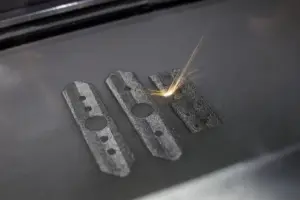

You've signed off on the prototype. The fit is perfect, the surface looks clean, and the assembly team is happy. Then the first production batch arrives. Dimensions drift just enough that the dental chair arm binds, the intraoral scanner housing rattles, or the handpiece shell no longer seats flush. Suddenly you're chasing schedule slips, field complaints, and costly rework. Most of these headaches trace back to material choice and process control. When teams switch to aluminum CNC machining for dental equipment, consistency, weight, and cleanability improve at the same time. This article explains why aluminum works so well in dental devices, the seven practical advantages of CNC machining it, alloy selection, finishing options, a real-world case example, and a checklist for choosing a reliable supplier.
Why Do Dental Equipment Makers Choose Aluminum in the First Place?
Aluminum earns its place on dental chairs, lights, handpieces, intraoral scanners, and small instrument panels for a short list of practical reasons. It is light-roughly one-third the density of steel (approximately 2.7 g/cm³ versus 7.85 g/cm³)-yet strong enough for the loads these components see. It conducts heat well, so motors and electronics stay cooler. It does not rust, and once anodized it resists the disinfectants clinics wipe across surfaces every day. The combination keeps overall equipment weight down, improves operator comfort on articulated arms, and simplifies cleaning protocols.
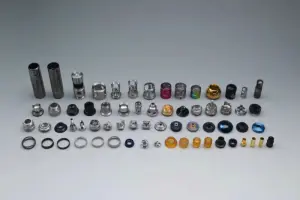
Typical applications include structural brackets and frames on dental chairs, articulated lamp arms, outer shells of high-speed handpieces, housings and heat sinks for intraoral scanners, and control-panel faces on compact diagnostic units. In each case the goal is the same: hold tight geometry, stay light, and survive repeated cleaning without corrosion or surface degradation. That is exactly where CNC machined aluminum dental parts deliver.
7 Key Advantages of CNC Machining for Aluminum Dental Parts
1. Tight tolerances, consistent parts
CNC machining routinely holds ±0.01 mm or better on critical features. Once the program and fixturing are proven, every part in a batch matches the first. That consistency eliminates the "sample was perfect, production drifted" problem that forces field adjustments or returns.
2. Light weight without losing strength
Replacing steel or heavier alloys with aluminum cuts mass by roughly two-thirds while retaining adequate stiffness for chair arms, scanner housings, and handpiece shells. Lighter moving parts reduce motor load, improve balance, and lower shipping costs.
3. Smooth surface that is easy to clean and disinfect
Machined aluminum can be finished to a low-roughness surface that accepts anodizing cleanly. The resulting hard, non-porous layer resists bacterial adhesion and stands up to common clinic disinfectants without pitting or staining.
4. Complex shapes in one setup
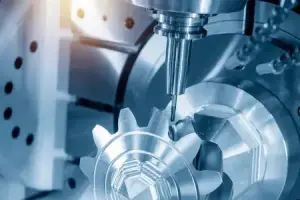
Multi-axis CNC machines produce undercuts, internal channels, mounting bosses, and organic contours in a single clamping. This reduces assembly steps and eliminates secondary operations that introduce tolerance stack-up.
5. Good heat dissipation for devices with motors or electronics
Aluminum's thermal conductivity moves heat away from motors in handpieces and electronics inside scanners. Properly designed heat-sink features machined directly into the housing keep internal temperatures lower without adding separate cooling parts.
6. Fast prototyping and flexible batch sizes
The same CNC process that makes production parts can turn out functional prototypes in days. Order quantities can scale from a handful of units to thousands without changing tooling, making it ideal for both new-product launches and steady OEM supply.
7. Wide choice of finishes (anodizing, bead blasting, etc.)
Clear or colored anodizing, bead blasting, and selective masking give designers control over appearance, wear resistance, and electrical isolation. These finishes are applied after machining so critical dimensions remain accurate.
Together these advantages explain why aluminum CNC machining for dental equipment has become the default route for many structural and housing components.
Which Aluminum Alloy Is Best for Dental Equipment Parts?
Three alloys dominate the conversation:
6061-T6 – The everyday workhorse. Good strength, excellent machinability, and reliable anodizing response. Ideal for chair frames, lamp arms, scanner housings, and most general brackets.
7075-T6 – Higher strength when thin walls or high loads are required. Used selectively on heavily loaded pivots or compact structural members. Slightly more expensive and a little less corrosion-resistant than 6061 unless properly finished.
5052 – Superior corrosion resistance and formability. Preferred for panels, covers, and parts that see frequent chemical wipe-downs but carry lower structural loads.
For the majority of custom aluminum dental equipment components, 6061-T6 offers the best balance of cost, performance, and finish quality. Switch to 7075 only when strength-to-weight calculations demand it, and consider 5052 when corrosion resistance is the primary driver.
Surface Finishing: What Works for Dental Equipment?
Clients ask the same question almost every week: "Will the finish survive daily disinfection?" Type II sulfuric anodizing (clear or dyed) is the most common answer. It builds a hard, sealed oxide layer that resists abrasion and most clinic chemicals. Hard anodizing (Type III) is reserved for sliding or high-wear surfaces. Bead blasting before anodizing produces a uniform matte appearance that hides fingerprints and reduces glare under operatory lights.
A few practical notes: always specify the exact disinfectant chemistry if it is aggressive, confirm that the anodize seal is complete, and mask any electrical contact points before finishing. When these details are handled correctly, anodized aluminum remains cleanable and durable for the life of the device.
Case Study: Improving Consistency on a Dental Chair Arm Assembly
A mid-sized dental equipment manufacturer was experiencing intermittent binding on the articulated arm of a new chair model. Prototype parts machined in-house fit perfectly, but production batches from a previous supplier showed dimensional scatter on pivot bores and mounting faces. The result was field adjustments, delayed shipments, and rising warranty costs.
The team moved the critical aluminum components to a specialized dental aluminum parts factory experienced in medical-grade CNC work. The new process included full drawing review for manufacturability, 5-axis machining of complex pivot geometries in one setup, CMM inspection of every critical feature, and Type II anodizing with process control records. First-article approval was completed in under two weeks. Subsequent production lots held tolerances consistently, assembly times dropped, and the binding complaints disappeared. Lead times stabilized, and the manufacturer was able to increase monthly output without adding inspection labor.
This kind of outcome is typical when a supplier treats OEM aluminum parts for dental equipment as precision medical components rather than general metalwork.
How to Choose a Reliable Dental Equipment Parts Manufacturer
Use this short checklist when evaluating partners:
Drawing review capability – Can they flag tolerance stack-ups and suggest practical improvements before cutting metal?
Inspection equipment – CMM, optical comparators, and surface-finish measurement should be routine, not optional.
Quality system – ISO 9001 is baseline; experience with medical or dental device documentation is a plus.
Prototyping speed – Look for shops that can deliver functional samples in days, not weeks.
MOQ and lead-time flexibility – A true wholesale CNC aluminum dental components supplier should support both small pilot runs and steady production volumes.
Communication – Clear English-speaking project managers and transparent status updates prevent surprises.
Location and logistics – Many teams prefer a CNC machining manufacturer in China for dental devices that already ships regularly to Europe and North America and understands export documentation.
A capable partner will also discuss material certifications, anodizing process control, and packaging that protects finished surfaces during transit. When these elements line up, aluminum CNC machining for dental equipment becomes a predictable, low-risk supply chain rather than a recurring headache.
FAQ
Why is aluminum used in dental equipment?
It combines low weight, adequate strength, good heat dissipation, corrosion resistance, and easy cleaning-exactly the properties needed for chairs, lights, handpieces, and scanners.
Is CNC machined aluminum strong enough for dental devices?
Yes. Alloys such as 6061-T6 and 7075-T6 provide more than enough strength for structural and housing applications once the design accounts for the loads involved.
Which aluminum alloy should I choose?
Start with 6061-T6 for most parts. Move to 7075-T6 for higher-strength requirements and 5052 when corrosion resistance is the top priority.
Is anodized aluminum safe and easy to clean?
Properly sealed Type II anodizing creates a hard, non-porous surface that resists common dental disinfectants and is easy to wipe clean.
What is your MOQ and lead time for custom parts?
Most specialized shops accept low MOQs for prototypes and scale smoothly into production. Typical lead times range from a few days for samples to 2–4 weeks for production lots, depending on complexity and finish.
Choosing the right material and process removes the classic "prototype worked, production didn't" frustration. Aluminum CNC machining for dental equipment delivers the tight tolerances, light weight, cleanable surfaces, and production flexibility that modern dental devices require. If you have drawings or a new component concept, send them over for a free quote within 24 hours. A clear response on feasibility, alloy recommendation, finish options, and pricing will follow so you can move forward with confidence.