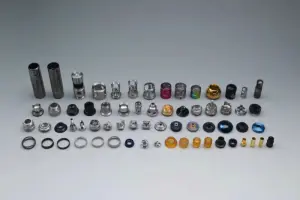

Polyurethane manufacturing centers on four major processes: Cast Polyurethane Elastomer (CPU) processing, Thermoplastic Polyurethane Elastomer (TPU) processing, Polyurethane Foam (rigid/flexible) processing, and Polyurethane Coating processing. While all four fall under the broader polyurethane materials family, they differ significantly in synthesis principles, processing methods, and end-use applications, together forming the core process landscape of the polyurethane industry. Details are as follows:
Cast Polyurethane Elastomer (CPU) Processing
Process characteristics: Uses atmospheric-pressure, open-pour casting without requiring high-pressure equipment, offering high operational flexibility. Since the raw material is in liquid form prior to casting, it can fully fill complex mold cavities, which means tooling precision requirements are relatively relaxed-allowing small and medium-sized enterprises to achieve batch production with comparatively low equipment investment.
Product performance: Offers a wide hardness range (50A–85D), adaptable to diverse application needs; mold design is simple, suitable for varied production, and not constrained by product size. CPU materials also exhibit excellent abrasion resistance, oil resistance, and tear strength, which is a key advantage distinguishing them from ordinary rubber products.
Application scenarios: Suitable for manufacturing elastomer components requiring customization, large dimensions, or complex shapes, such as industrial shock absorbers and seals. It is also widely used in heavy-duty, wear-resistant applications including mining screens, printing rollers, and couplings.
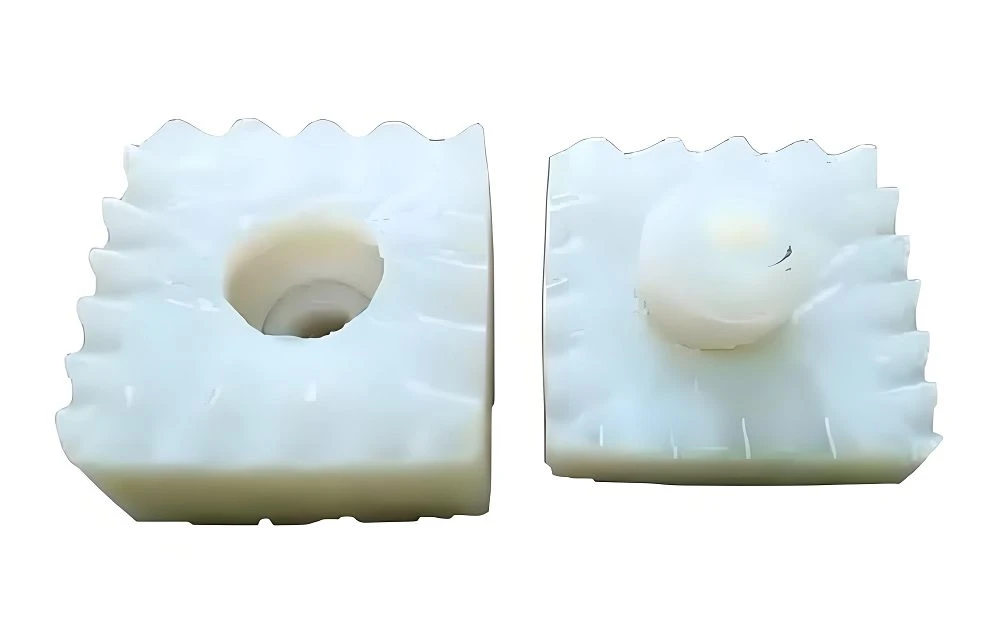
Thermoplastic Polyurethane Elastomer (TPU) Processing
Process characteristics: Uses PU pellets as raw material, which are melted at high temperature and injection-molded-a thermoplastic process. This method enables continuous, automated production and integrates readily with standard equipment such as injection molding and extrusion machines, significantly shortening production cycles.
Product performance: High production efficiency and low cost; fast curing speed, though with relatively large deformation, making it suitable for smaller-sized products; bonding performance is comparatively weaker, limiting its use in high-load applications. However, TPU offers good recyclability and reprocessing capability, aligning with current trends toward environmental sustainability and the circular economy.
Application scenarios: Suitable for small products in low-speed, low-load applications, such as footwear materials, phone cases, and daily consumer goods. In recent years, demand has also grown steadily in areas such as electronic cable sheathing and sporting goods components.
Polyurethane Foam (Rigid/Flexible) Processing
Process characteristics: Foam structures are formed through a foaming process, divided into rigid and flexible foam categories. By adjusting the blowing agent ratio and reaction temperature during foaming, cell density and pore size distribution can be precisely controlled, enabling customized performance adjustment.
Product performance:
Rigid foam: High density, high strength, and excellent thermal insulation performance, with low thermal conductivity-recognized as one of the most efficient energy-saving materials in the building and cold-chain insulation sectors.
Flexible foam: Low density, high softness, and good resilience, along with good breathability and comfort.
Application scenarios:
Rigid foam: Primarily used for appliance insulation layers (such as refrigerators) and wall insulation materials, and also widely applied in cold storage and pipe insulation for industrial energy conservation.
Flexible foam: Widely used in upholstery materials (such as furniture padding) and automotive interior components (such as seats), and also holds an important place in home goods such as mattresses and sofas.
Polyurethane Coating Processing
Process characteristics: Uses polyurethane resin as the base material, applied via spraying or brushing to form a coating layer. Once cured, it forms a dense, continuous protective film with strong adhesion, and coating thickness and gloss level can be adjusted according to requirements.
Product performance:
Engineering anti-corrosion: Strong resistance to chemical corrosion and abrasion, suitable for heavy industrial environments, with excellent weather resistance that maintains stable performance over the long term even in harsh outdoor conditions.
Decorative: Rich in color and high gloss, enhancing product appearance and texture; the coating also offers a degree of yellowing resistance, remaining color-stable over extended use.
Application scenarios:
Engineering anti-corrosion: Used for steel structures, pipelines, and other applications requiring long-term protection, with extensive use in bridges, ships, and petrochemical equipment as well.
Decorative coatings: Applied in surface finishing for automobiles, furniture, and construction, and also prominent in niche markets such as wood coatings and floor coatings.
Comparative Summary of the Four Processes:
CPU process: Advantages lie in customization capability and a wide hardness range, suitable for elastomer components;
TPU process: Characterized by high efficiency and low cost, though limited by bonding performance;
Foam process: Achieves insulation or softness functions through foaming technology, with broad application coverage;
Coating process: Balances protective and decorative needs, serving as an important means of surface treatment.
Overall, the four processes correspond respectively to the core material needs of polyurethane in four dimensions: elasticity, lightweighting, thermal insulation, and surface protection. When selecting a process, enterprises should comprehensively consider factors such as the product's mechanical performance requirements, production volume, cost budget, and end-use environment, in order to choose the most suitable process route and achieve an optimal balance between performance and cost.