

Core advantages:
- PMMA-equivalent and PC-equivalent clear resins with high light transmittance
- First samples typically in 7–10 working days
- ISO 9001 certified quality management system
What Is Transparent Plastic Casting?
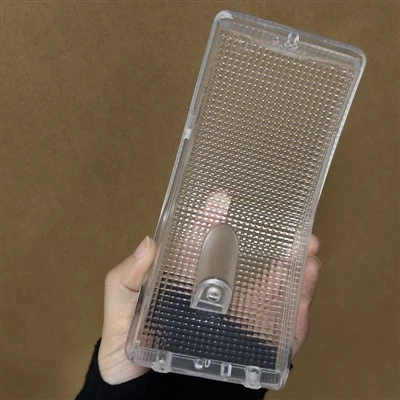
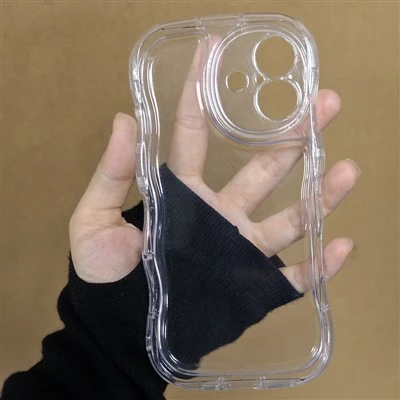
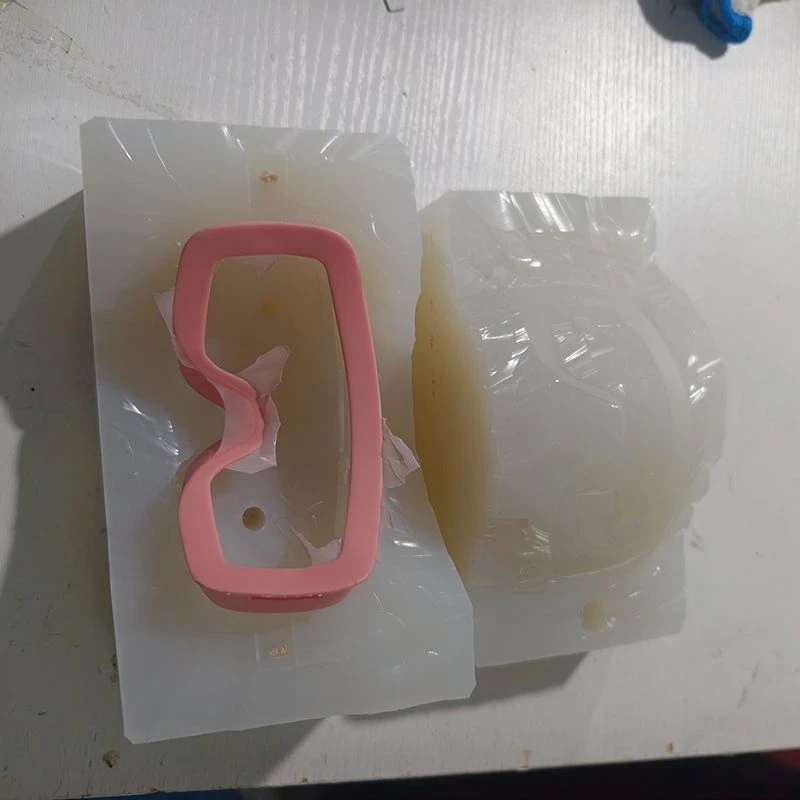
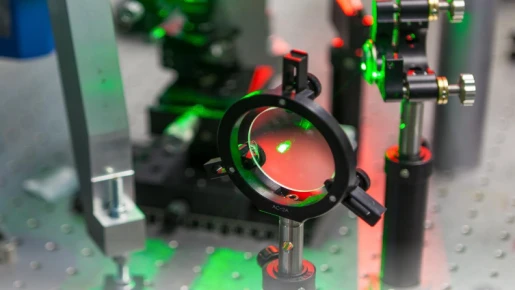
Transparent plastic casting is a low-volume manufacturing process in which optically clear, two-component urethane resins are vacuum-cast into silicone (RTV) molds taken from a high-quality master pattern. The process is well suited to clear lenses, light pipes, display covers, fluid-flow models, packaging mock-ups, and short-run end-use parts where glass-like transparency is required.
Compared with alternative processes:
vs. injection molding:
no hard tooling required - much lower upfront cost and faster first samples for quantities up to a few hundred parts.
vs. SLA / SLS 3D printing:
true clear-cast urethane achieves higher optical clarity and a more uniform refractive surface than 3D-printed clear resins, which usually need extensive post-polishing or coating to approach optical quality.
vs. CNC machining:
supports complex internal geometries and one-piece optical bodies that would require multi-axis machining and extensive polishing.
Materials & Optical Properties
We work with optically clear urethane systems and clear ABS-equivalents. Properties below are typical values for representative material families - the exact resin is selected to match your specific optical, mechanical, and thermal requirements.
|
Resin Family |
Simulates |
Light Transmittance (typical) |
Refractive Index |
Heat Deflection Temp |
Typical Use |
|
Optically clear urethane (e.g. PX5212-class) |
PMMA |
~88–92% |
~1.50 |
~70–80 °C |
Lenses, light pipes, transparent housings |
|
High-clarity rigid urethane |
PC |
~85–90% |
~1.49–1.51 |
~75–90 °C |
Impact-resistant clear covers |
|
Tinted clear urethane (custom colors) |
Tinted PMMA / PC |
Color-dependent |
~1.50 |
~70–85 °C |
Coloured lenses, signal indicators, lighting effects |
|
Flexible clear urethane |
Soft PVC / TPU (clear) |
~85–90% |
~1.48–1.50 |
Hardness Shore A 40–80 |
Clear gaskets, soft-touch parts |
Typical values; actual properties depend on resin lot, casting parameters, and post-processing. We provide datasheets for the specific resin selected for your project.
Surface Finish & Optical Quality
Optical clarity in cast parts is determined as much by surface finish as by the resin itself. Our finishing options for transparent castings:
As-Cast Surface (with polished pattern)
When the master pattern surfaces are polished to optical quality, the silicone mold reproduces that finish, and the cast part comes out of the mold transparent without further polishing. This is the standard approach for visually clear bodies.
Hand Polishing & Buffing
Surfaces affected by parting lines or vents are polished using progressive grit sequences and final buffing compounds, restoring local optical clarity.
Clear Coating / Lacquering
A thin clear urethane lacquer can be applied to the part to fill micro-scratches and restore transparency. Used selectively on high-visibility surfaces.
Tint, Frost & Custom Effects
Bulk tinting (color added to the casting resin) and surface frosting (matte texture on the silicone mold) are both supported. Tints are reproducible from a Pantone reference.
Technical Capabilities
|
Parameter |
Specification |
Notes |
|
Maximum part size |
Up to 800 × 600 × 400 mm |
Larger parts on request, subject to mold-frame size |
|
Wall thickness range |
1.0 – 10 mm |
Thicker sections may show internal stress lines unless degassed carefully |
|
General tolerance |
±0.2 mm or ±0.2% (whichever larger) |
Reflects resin shrinkage; per typical urethane casting practice |
|
Typical mold life |
20–25 castings per silicone mold |
A rigid master can be used to create multiple silicone molds |
|
Standard lead time |
7–10 working days for first castings |
From confirmed master pattern |
|
File formats |
STEP, IGES, SolidWorks, STL |
Full DFM report provided |
Application Scenarios


Process Walkthrough
Master pattern preparation:
CNC-machined or SLA-printed master with surfaces polished to optical quality.
01
Silicone mold making:
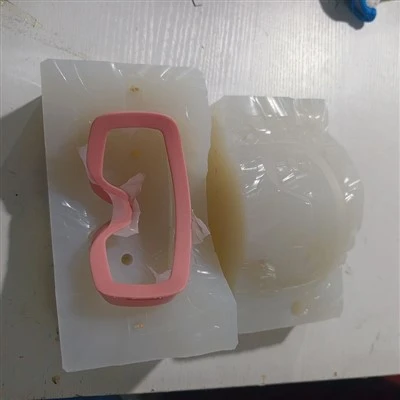
high-quality RTV silicone is poured around the master under controlled conditions and cured.
02
Vacuum casting:
the two-component clear urethane is mixed, degassed, and poured under vacuum to prevent bubble inclusions.
03
Curing:
the part is cured in a heated oven, then demolded carefully to preserve surface quality.
04
Finishing & inspection:
trimming, polishing of parting lines, optional clear lacquering, and visual + dimensional inspection.
05
FAQ
Hot Tags: transparent plastic casting, China transparent plastic casting manufacturers, suppliers, factory, Bridge Tooling Plastics, Functional Plastic Prototypes, High Gloss Vacuum Casting, Insert Molding Prototypes, Textured Plastic Prototypes, Transparent Plastic Casting