
Enhanced Geometric Complexity
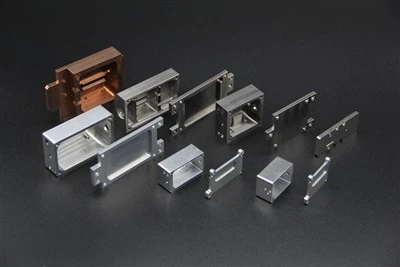
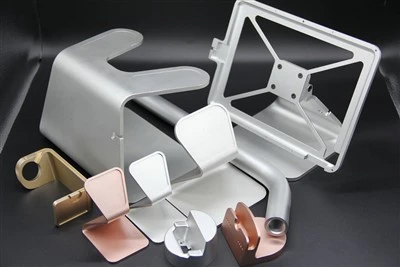
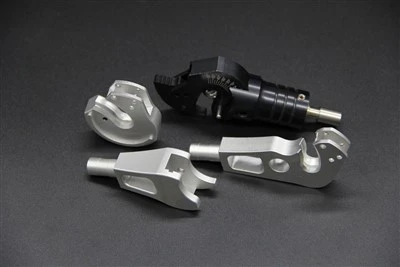
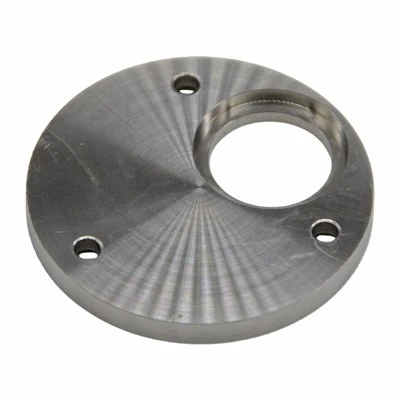
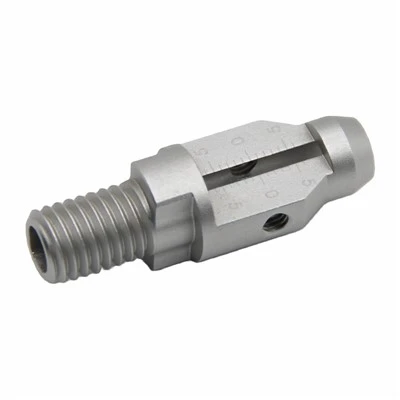
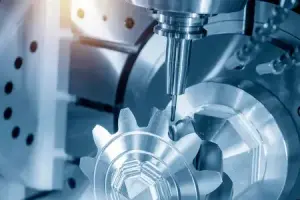
Five-axis machining makes creating complex shapes easy. Other machines struggle with deep holes and complex angles. However, five-axis machines can directly access these hard-to-reach areas without stopping or repositioning. This allows engineers to design complex parts without limitations. It is ideal for producing aircraft parts, turbine blades, and surgical instruments. Using five-axis machining, businesses can reduce problems and produce higher-quality products. This ability to generate complex shapes is a significant advantage.
Enabling Complex GD&T Calls
Five-axis machining performs well in GD&T calls. It can generate datum features in a single step, which is impossible on three-axis machines that require multiple setups. For example, it excels in off-axis holes aligned with a center datum feature. Five-axis CNC machining also improves surface profile tolerances on complex surfaces. This is ideal for precise and detailed parts.
Reduced Setup Time
Older CNC machines require extensive setup for complex parts. Each setup takes longer and has room for error. Five-axis CNC machining eliminates these problems. It can rotate and move the workpiece autonomously. This means less manpower and faster production. Compact equipment also saves costs. Faster operation means producing more products. Factories save time and operate more efficiently.
Improved Precision and Accuracy
Five-axis machining makes production more precise. The tool slides around the part, reducing errors. In traditional machining, manual adjustments lead to errors. Five-axis machining automates this process. This minimizes human error and improves consistency. High precision is crucial in industries like aerospace and medical manufacturing. Even small errors can cause huge problems. Parts produced by five-axis CNC machine tools meet industry standards.
Better Surface Finishes
Surface finishes are critical in most industries. Standard CNC machining typically requires more steps to process parts. Five-axis machining minimizes this need. The tool can move around the material at the optimal angle. Tool vibration and deflection are minimized. Consistent toolpaths result in cleaner surfaces. Reduced extra effort saves time and money. The aerospace, medical, and automotive industries require superior surface finishes. Thanks to five-axis machining, parts can achieve polished and high-quality surface finishes.
Reduced Production Cycle Time
Time is critical in material production. Five-axis CNC machining significantly accelerates work speed. The tool can cut more material because it moves more efficiently. Many parts are completed in a single production run. This speeds up the entire process. Factories can complete more work in less time. Faster work means customers receive orders sooner. Companies using five-axis machines perform better. Saved time equals money and satisfied customers.
Advanced Software and Control Systems
At the heart of every CNC machine tool, especially a five-axis machine tool, is its control system and software. These machines use sophisticated software to handle complex tasks, simulate, and make real-time corrections. The control system constantly monitors the tool's position. It adjusts in real time to maintain a good fit between the tool and the workpiece. These rapid adjustments are crucial for manufacturing precise parts. They keep the final product exactly the same as the design model.
Long-Term Cost Savings
Five-axis machines are expensive to buy initially, but they recoup their cost in the long run. Fewer setups mean less labor. Fewer fixtures reduce mold costs. Fewer errors mean less scrap. Faster machining reduces production costs. The initial high costs offset these cost savings. Companies adopting five-axis machining can achieve long-term cost savings. Precision and efficiency justify the high initial costs.
Versatility of Material Machining
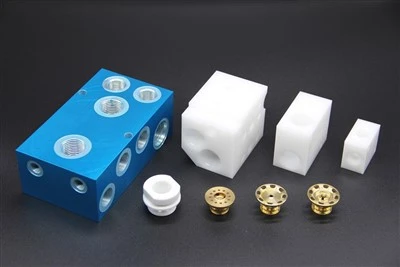
Five-axis CNC machine tools can machine a wide variety of materials. Some materials are difficult to machine using traditional processes. Titanium, Inconel, and hardened steel require new technologies. Five-axis machines efficiently machine these materials. This is crucial for aerospace, medical, and automotive applications. Engineers can manufacture parts without worry. The five-axis structure enables the machining of difficult-to-machine materials, making it extremely useful.