
1. CAD Design & CAM Programming
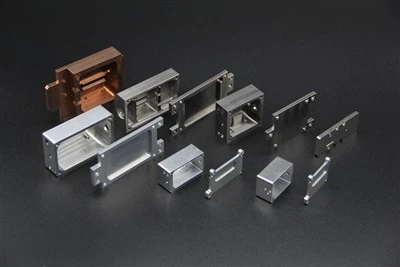
CAD design begins with creating a digital representation of the desired part. You set the dimensions, tolerances, and geometry. This model is then rendered into machine instructions via CAM programming. These instructions are used to adjust the speed and movement of the CNC machining tools for plastic and metal parts.
2. Machine Setup
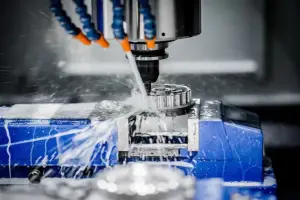
The CNC lathe is prepared for production. Raw materials are securely loaded onto the spindle. Cutting tools are installed and checked by the operator. Proper installation ensures consistent and repeatable rotational accuracy during machining.
3. Turning Operation
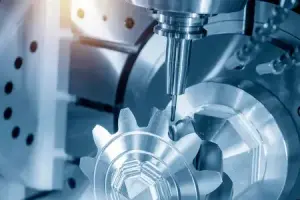
The turning process begins with the spindle rotating the workpiece at a controlled speed. Tools are used to cut the material to the workpiece shape. Consistent diameters, smooth surfaces, and precise features can be achieved during precision machining.
4. Finishing & Inspection
Surface quality and dimensional accuracy are improved through surface treatment. The operator can smooth or refine edges. Inspection is then performed using gauges and measuring tools. This operation verifies the specifications of the machined part before approval.