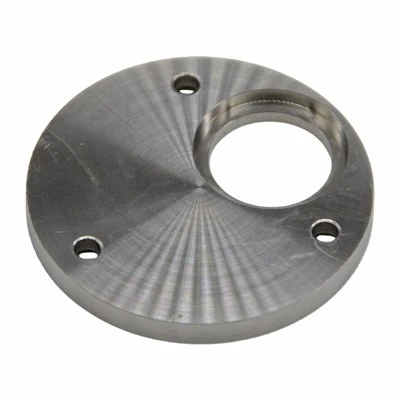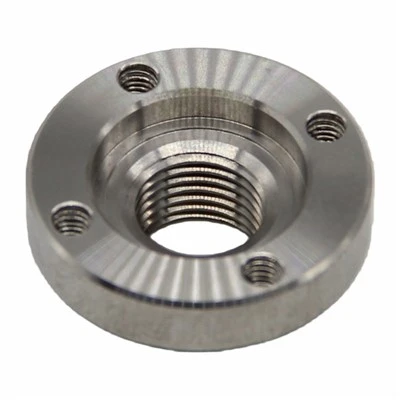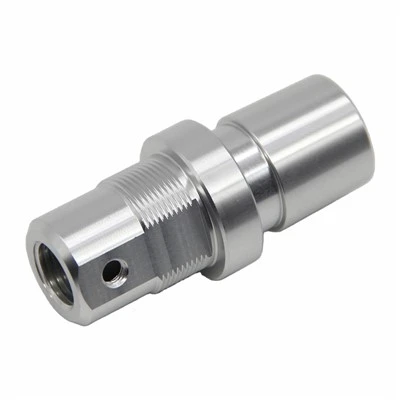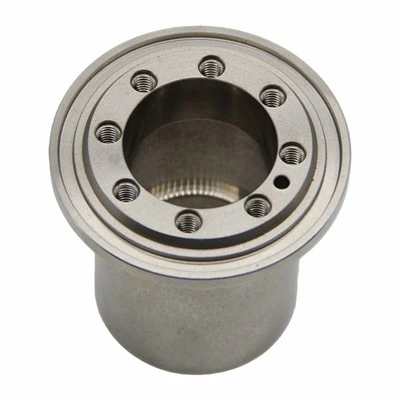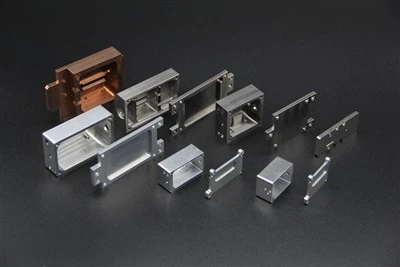
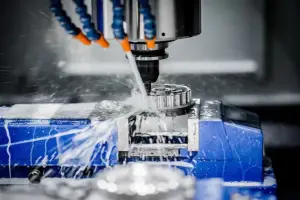
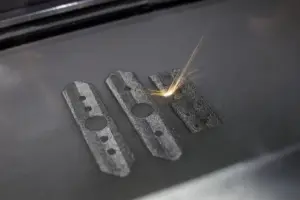
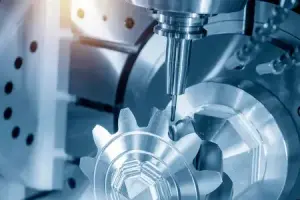
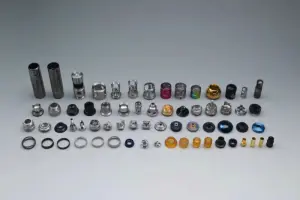

Numerical control (NC) machining refers to machining processes where a control system issues commands to instruct the cutting tool to perform various required movements, using numbers and letters to represent the workpiece's shape, dimensions, and other technical and technological requirements. It broadly refers to the machining process of parts on CNC machine tools.
A CNC machine tool is a machine tool controlled by a computer. The computer used to control the machine tool, whether a dedicated or general-purpose computer, is collectively referred to as a CNC system. The movements and auxiliary actions of a CNC machine tool are controlled by commands issued by the CNC system. These commands are compiled by a programmer based on the workpiece's material, machining requirements, machine tool characteristics, and the system's specified command format (NC language or symbols). The CNC system sends run or terminate information to servo devices and other functional components according to the program commands to control the various movements of the machine tool. When the machining program for the part ends, the machine tool automatically stops. Any CNC machine tool cannot operate without inputting program commands into its CNC system. The controlled actions of a machine tool generally include starting and stopping the machine tool; starting and stopping the spindle, changing the direction of rotation and speed; the direction, speed and mode of feed motion; tool selection, length and radius compensation; tool replacement; and turning the coolant on and off.